
GE Aerospace reported $23 billion of first-quarter orders on April 21, up 87%, and $11.6 billion of adjusted revenue, up 29%. The industrial story behind those totals is engine output: deliveries rose 43% from a year earlier. The company also linked growth to spare parts and shop work for aircraft already in service.
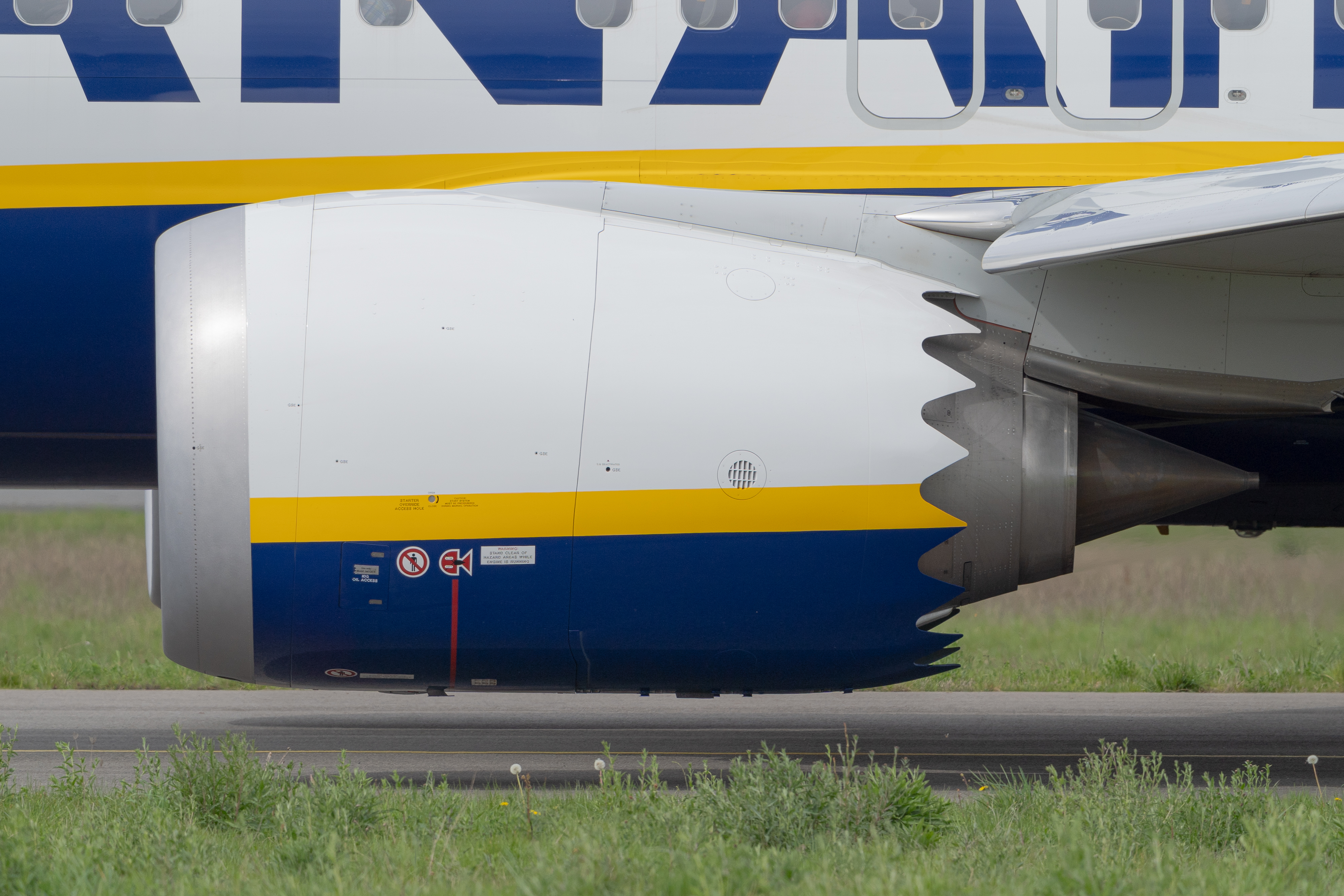
GE’s Commercial Engines & Services presentation shows engine units up 50% and LEAP units up 63%. Service revenue rose 39%, supported by more internal shop visits and spare-parts sales. Greater deliveries also enlarge the installed fleet that will require maintenance. The group must therefore raise new-engine output while expanding the capacity to support engines already flying.
Some of that capacity sits outside GE’s own plants. CFM International, GE’s joint venture with Safran, signed an April 20 licence with IAG for Iberia Maintenance near Madrid to service LEAP-1A and LEAP-1B engines. Initial shop inductions were planned for the first quarter of 2027. A broader network gives a growing global fleet more places to complete scheduled engine work.
In March, GE announced another $1 billion for US sites and suppliers in 2026. The plan includes assembly equipment, test capacity and turbine parts intended to lengthen time between shop visits. That investment helps explain the quarter’s production challenge: delivering more engines depends on available components, while durability affects how much maintenance capacity operators will need later.
The portfolio also reaches beyond airlines. GE and Kratos announced an engine-design award for the GEK1500, intended for small collaborative military aircraft. A production civil engine and a defence development effort use different supply chains, but both draw on propulsion design, testing and manufacturing skills. The next measure of GE’s ramp will be orders converted into deliveries with maintenance capacity growing alongside the fleet.
Documents and references
- GE AerospaceGE Aerospace Announces First Quarter 2026 Results
- GE AerospaceGE Aerospace first quarter 2026 performance
- CFM InternationalIAG and CFM signed an agreement for a new LEAP Premier MRO license
- GE AerospaceGE Aerospace to Invest Another $1B in U.S. Manufacturing
- GE AerospaceGE Aerospace and Kratos Win U.S. Air Force Award to Design Engine