
On September 23, Qantas announced nonstop Sydney–New York flights from mid-2028, after Sydney–London, planned for October 2027. New York tickets are due on sale in August 2027. The airline expects travellers to save about three hours over a connecting trip and describes a flight of roughly eighteen hours. These are a commercial schedule and estimate: operations still depend on aircraft and approvals.
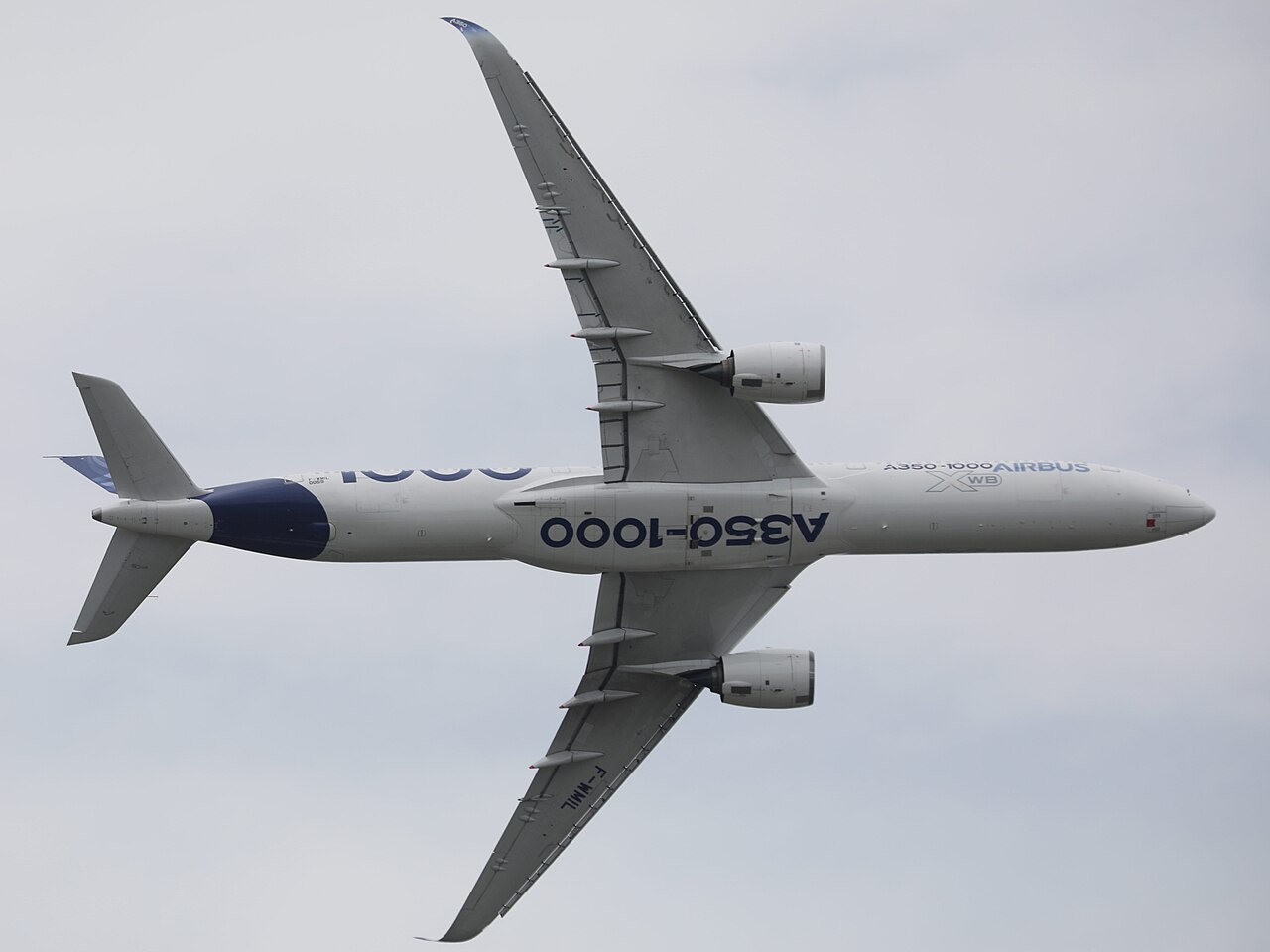
The Airbus A350-1000ULR is designed for this mission. Its additional rear centre tank holds about 20,900 litres of fuel, while new compartments provide pilot rest. In July the test aircraft flew from Toulouse to Melbourne and returned with two Qantas pilots. Airbus calls these development flights, examining fuel systems, ventilation and crew rest among other things. Certification of the variant is still required before passenger service.
Launched in 2017, Project Sunrise led to an order for twelve A350-1000ULRs in 2022. Qantas plans 238 seats in four cabins, more than 40% of them in first, business and premium economy. That relatively low density offers more space per passenger but demands strong revenue per seat. First delivery is scheduled for April 2027, ahead of both route launches.
Flight length has also shaped the cabin. University of Sydney researchers worked with Qantas on lighting sequences, meal timing and movement to help passengers sleep at useful times. A dedicated zone encourages stretching. Their work aims to ease jet lag, not eliminate it. Comfort thus becomes part of the service sold on a nonstop journey.
Singapore Airlines already flies nonstop between Singapore and New York with an A350-900, listing a journey of about eighteen hours twenty-five minutes and business and premium economy cabins. A traveller starting in Sydney must connect at Changi, however. Qantas targets passengers who value avoiding that stop. The airlines serve different origin cities: Singapore’s route is a travel alternative, not a rival bid for Qantas’s A350 order.
The economic bet remains substantial. Airbus says the A350 burns less fuel than earlier widebody aircraft, but a journey of this length ties up aircraft and crew for many hours. Its wings come from Broughton and its Rolls-Royce Trent XWB engines from the UK. For Qantas, the time saving must support fares despite low seat density. Prices, final schedules and deliveries will show how the commercial proposition works.
Documents and references
- QantasAustralia to New York non-stop: Qantas Project Sunrise
- AirbusExtending the horizon: Inside the A350-1000ULR’s longest development flight
- QantasAirbus A350 Project Sunrise
- University of SydneySydney researchers design optimised cabin for long haul flights
- Singapore AirlinesFlights from Singapore to New York
- AirbusLong-range reasons to love the Airbus A350