
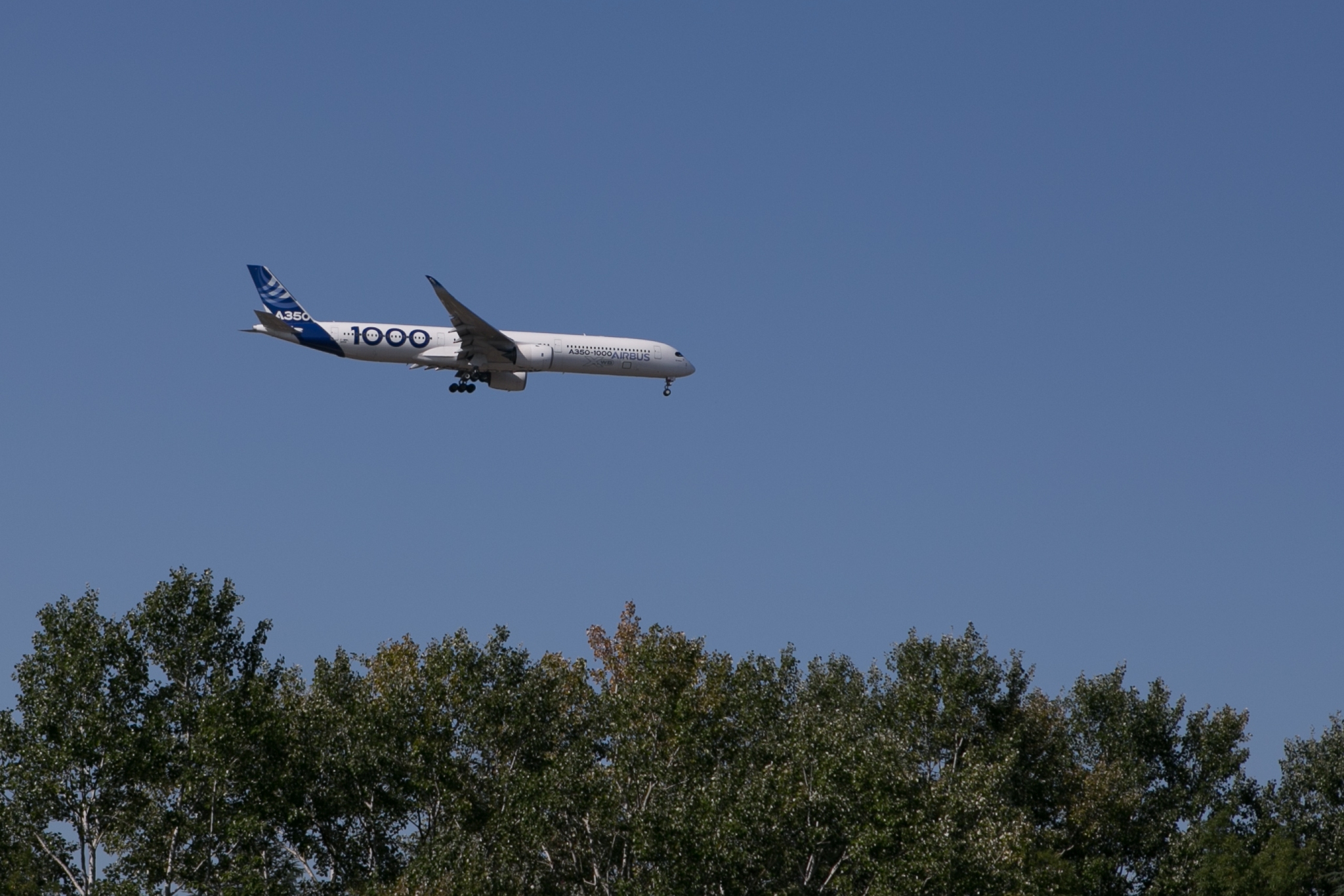
The first A350F, MSN700, completed its maiden flight from Toulouse on 29 September. Airbus reported 4 hours 10 minutes in the air and an altitude of 25,000 feet. The crew checked basic handling and core systems. The flight begins testing of the actual aircraft ahead of certification and commercial delivery.
The A350F is a dedicated cargo member of the A350 family for freight carriers and airline cargo divisions. During the flight, Airbus compared observed aerodynamics with its simulator models. The crew took off in direct control law, then enabled normal law and its protections after confirming the expected margins. The crew also checked pressurisation and communications on this first flight; later sorties will examine performance and the autopilot in greater depth.
Kinship with the A350-1000 carries over some design work but does not remove freighter-specific testing. Its forward fuselage has A350-900 length; its rear section and wings derive from the A350-1000. That geometry changes the aerodynamic model and the landing gear's ground behaviour. Before take-off, Airbus had run thirteen virtual-flight sessions and ground vibration tests. The resulting predictions now have to be tested against flight data.
Freight service also depends on loading. A rear main-deck door provides roughly 4.3 metres of clear width for bulky loads, including engines, without complex dismantling. Its position helps control the aircraft's balance as pallets are loaded. Airbus built the large composite structure at Illescas in Spain and tested its electric drive and cargo handling system separately. Their operational reliability matters to customers alongside flight performance.
The large-freighter market includes Boeing's 777-8 Freighter in development and the 777F already in service. Airbus quotes up to 111 tonnes of A350F payload and 8,700 kilometres of range; Boeing publishes 110 tonnes over 9,260 kilometres for the 777-8F and a maximum structural payload of 118 tonnes. These manufacturer figures depend on mission conditions and do not, by themselves, establish cost per tonne carried.
The first flight draws on an industrial chain spanning several countries. Wings come from the UK; the door and part of the fuselage from Spain; structural and cargo-system elements from Germany; final assembly takes place in Toulouse. Airbus is also testing the door's electric drive and pallet-handling system on physical rigs in Bremen. For airlines, entry into service will depend on aircraft certification and on the maturity of everyday cargo operations.
Documents and references
- AirbusAirbus A350F freighter successfully performs its maiden flight
- AirbusA350F first flight: new freighter aircraft takes to the sky
- AirbusCountdown to A350F first flight: Preparing for the sky
- AirbusEngineering the world’s largest cargo door: Inside the A350F
- BoeingBoeing Freighter Family
- AirbusTesting the A350F’s cargo loading and main deck door actuation systems
- AirbusWhere is the A350F built?
- AirbusA350F