
On 14 October Airbus projected a $422 billion annual aviation-services market in 2045, against $209 billion in 2026. Its scenario assumes a global fleet of 45,550 aircraft and 3.8% compound annual growth. The estimate covers every manufacturer; it is not an Airbus order book.
The Global Services Forecast’s scope helps interpret those figures. Airbus includes passenger aircraft above 100 seats and freighters carrying more than ten tonnes, regardless of brand. Heavy maintenance, day-to-day operational support, modifications, connectivity and training are modelled separately. The manufacturer also explains that delivery delays and parts shortages keep existing aircraft flying longer, shifting some spending toward repairs and reusable components.
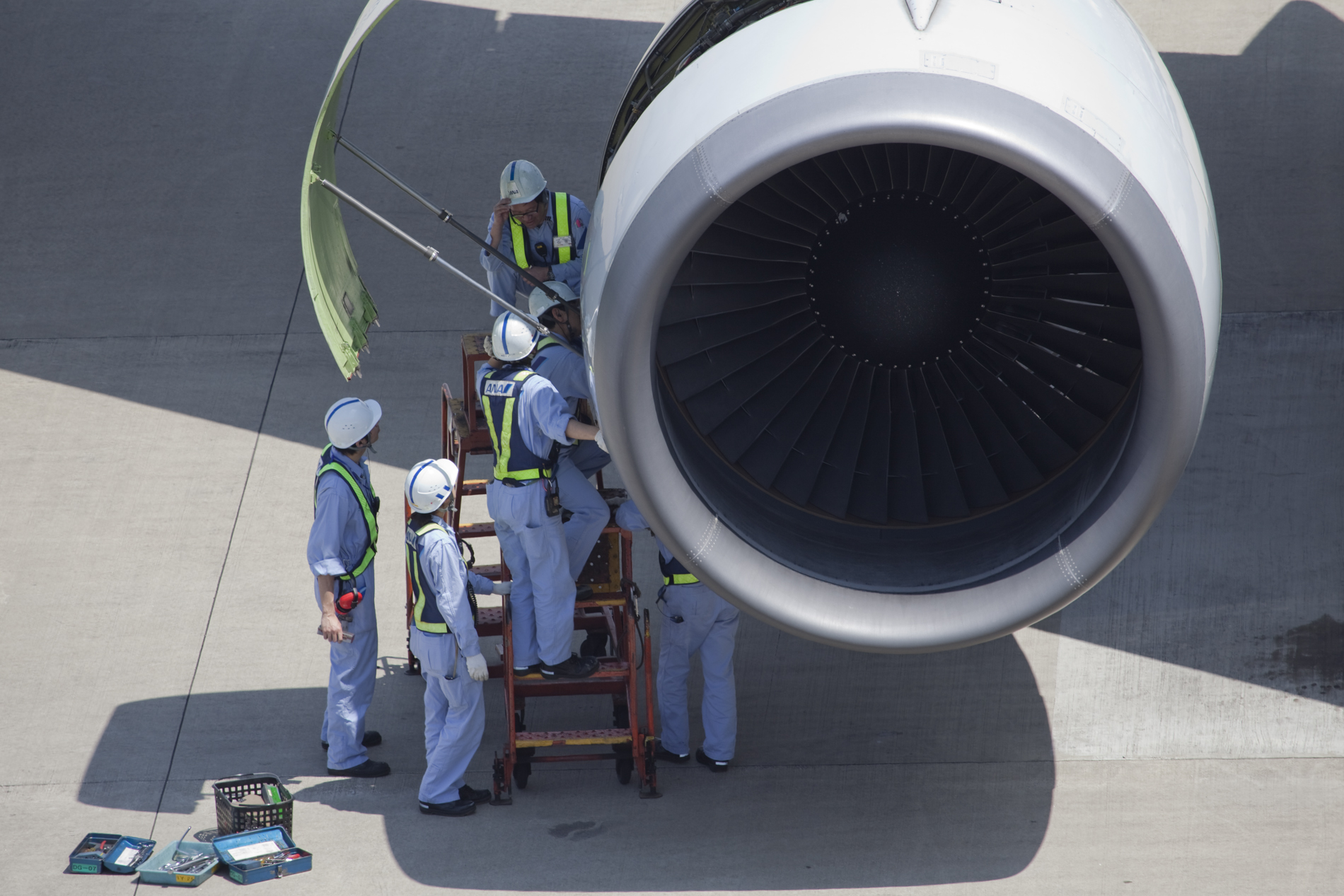
A real contract shows what the services category contains. In September Malaysia Airlines extended Airbus Flight Hour Services support for its A330ceos: local stock, access to pooled parts, repairs and reliability engineering come through a flight-hour-based arrangement. This illustrates recurring technical-support spending separate from the initial aircraft purchase. Expected sector growth therefore matters to manufacturers, repair shops and component suppliers throughout a fleet’s life.
Training is another services activity. Airbus’s new Toulouse campus, operational since June, can host about 9,000 international trainees each year. It brings programmes for pilots, technicians and cabin crew together in one place, with learning tools tailored to their work. This training capacity accompanies fleet growth: additional aircraft need crews and teams able to maintain them over many years.
Airbus’s forecast published one year earlier placed the services market at $311 billion in 2044 and divided it into five major segments. It already separated off-wing maintenance, with shop visits and parts, from maintenance on the aircraft, modifications, digital services and training. Successive reports show that the manufacturer periodically updates both the horizon and categories of its model; each edition has to be read within its own scope.
Documents and references
- AirbusAirbus forecasts growing services market to double by 2045
- AirbusGlobal Services Forecast 2026–2045 methodology and market scope
- AirbusMalaysia Airlines extends FHS contract for A330ceo fleet
- AirbusTraining the next generation of pilots, technicians and cabin crew
- AirbusAirbus projects resilient growth of services market in the next 20 years