
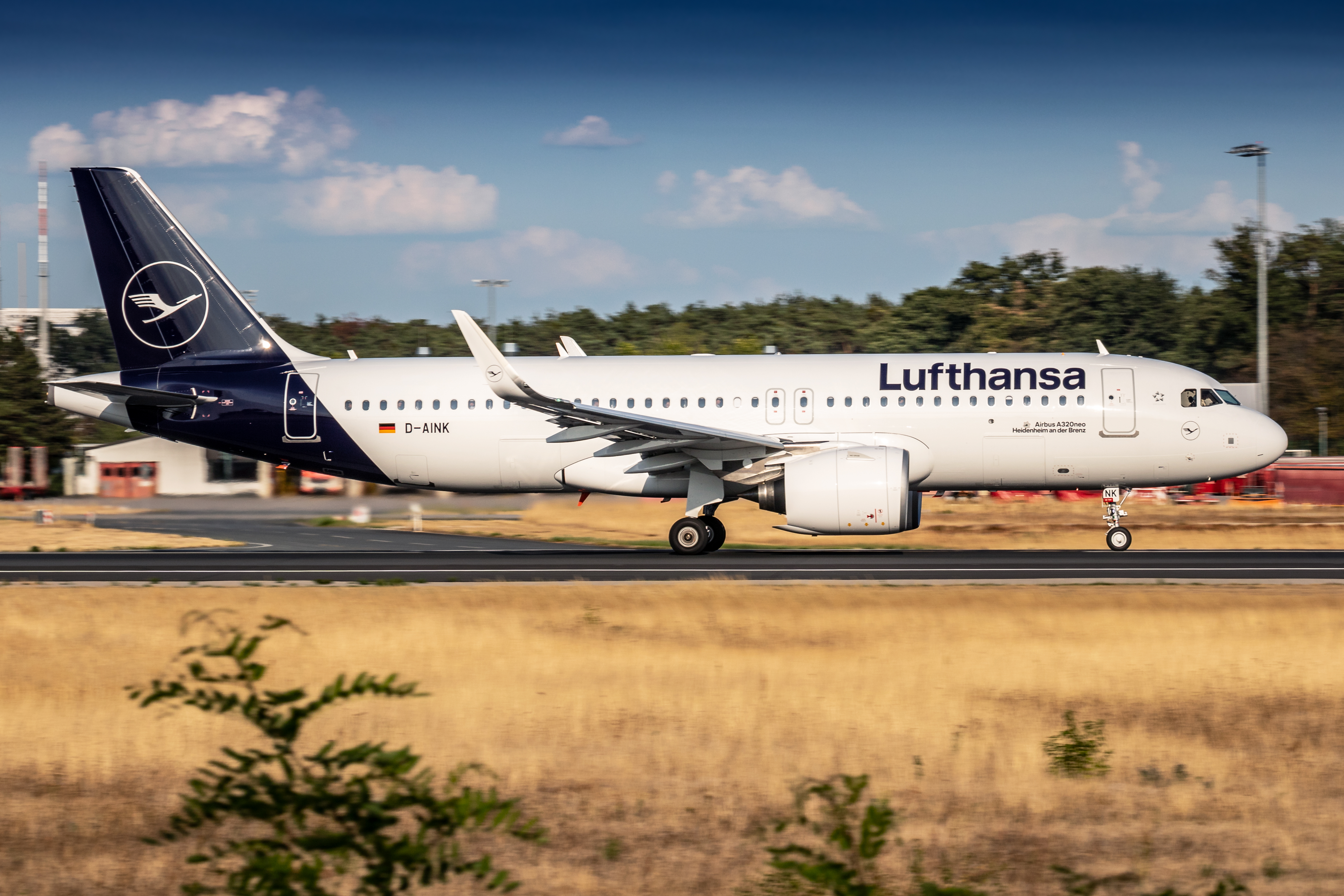
On 16 October Airbus announced a firm Aviation Capital Group order for 75 A320neo-family aircraft. It put the lessor’s historical order total for the family at 190. That cumulative number combines past and new purchases without describing its current fleet. The agreement extends a commercial relationship begun in 2007 and adds single-aisle jets to the 2030s production pipeline.
ACG supplies the operational detail: deliveries are scheduled for 2032–2035 and the agreement permits conversion between A320neo-family variants. On 30 June 2026 the lessor had 118 aircraft from the family in its fleet; with the new deal, its outstanding orders reach 115 units. Those three figures describe different things—fleet, remaining backlog and historical order total—and clarify when airlines could receive aircraft on lease.
The lessor’s business model explains the choice. In its first-quarter investor presentation ACG listed 281 owned aircraft, 30 managed aircraft and 200 committed aircraft, with a strong single-aisle concentration. It combines direct manufacturer orders, sale-and-leaseback transactions and secondary-market purchases. An Airbus delivery therefore feeds an asset portfolio that is placed with airlines according to their needs, rather than automatically creating a new route.
The lessor market is competitive. In July SMBC Aviation Capital announced its own order for 100 A320neo-family aircraft, intended to maintain deliveries into the 2030s. Both companies seek a continuous supply of jets in a family widely demanded by airlines. The volumes are separate orders: each financier manages its own contracts, variant choices and leasing decisions. That competition makes future production slots especially valuable.
ACG describes its business as a combination of leasing, financing and asset management for airlines. Its teams structure finance packages, support operators and can manage aircraft for outside investors. Conversion rights in the new order fit that approach: capacity can be adapted to customers’ route networks and fleet sizes when deliveries arrive in 2032–2035. The aircraft’s commercial value is also built over the life of their lease contracts.
Documents and references
- AirbusAviation Capital Group orders 75 Airbus A320neo family aircraft
- Aviation Capital GroupACG grows portfolio with order for 75 Airbus A320neo family aircraft
- Aviation Capital GroupQ1 2026 ACG Investor Presentation
- SMBC Aviation CapitalSMBC Aviation Capital announces 200-aircraft Airbus and Boeing orders
- Aviation Capital GroupOur Services