
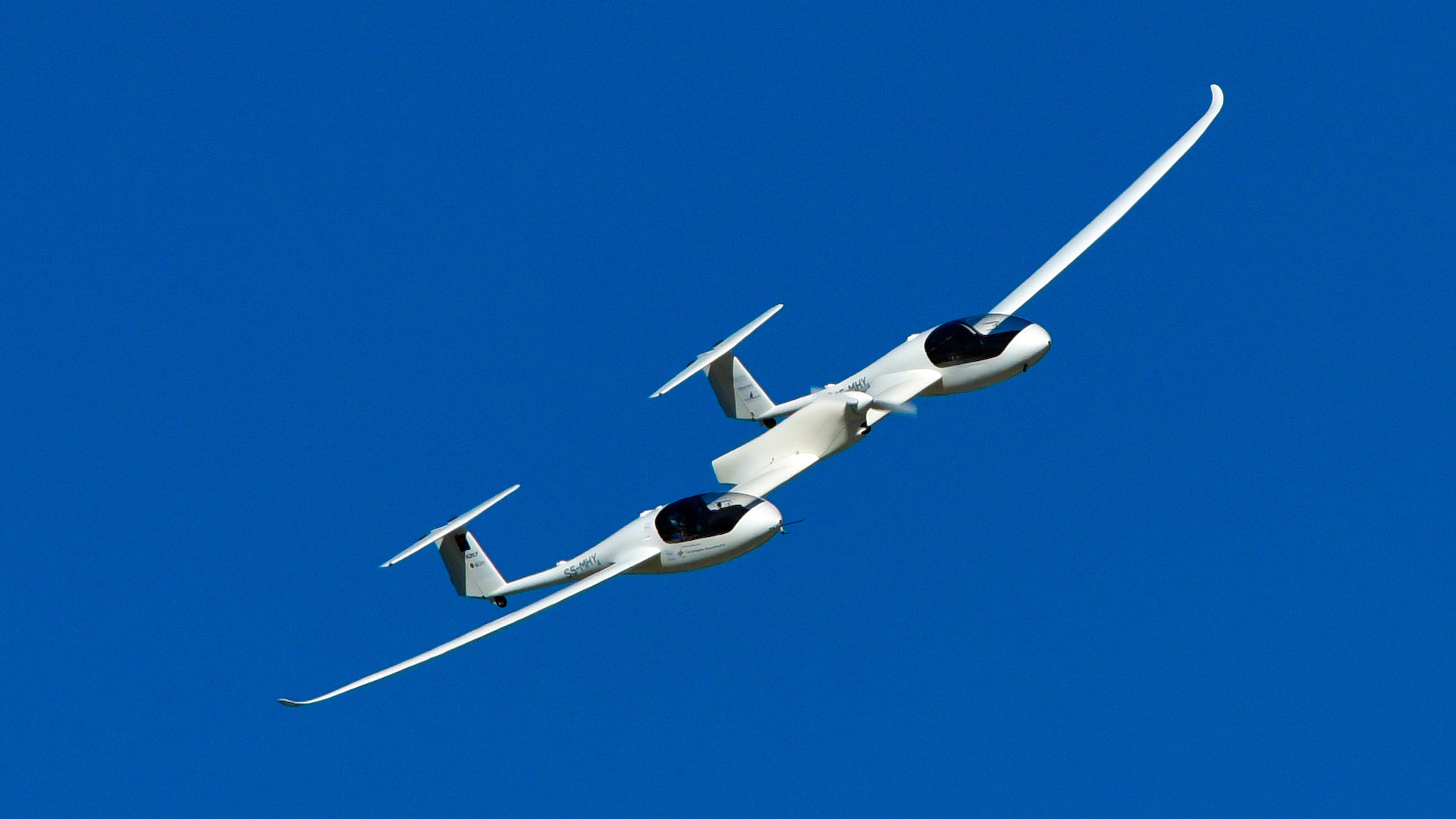
Airbus is refocusing its first hydrogen aircraft on a roughly 80-seat propeller-driven regional design with 1,000 nautical miles of range, envisaged for the 2040s. Lars Wagner described it at a Toulouse event, according to Aerospace America’s first-hand report published on 20 October. A 20-seat demonstrator is intended to fly first. The plan differs from the original target of a larger aircraft by 2035.
The fuel-cell choice rests on an earlier partnership. In June 2025 Airbus and MTU Aero Engines agreed to work on hydrogen-powered electric propulsion. Their HEROPS programme links MTU’s Flying Fuel Cell research with Airbus’s aircraft integration. The idea is to generate electricity aboard the aircraft, then drive electric motors and propellers. Airframer and engine specialist are therefore working together from the experimental stage.
The fuel demands an architecture unlike a kerosene aircraft. Airbus explains that hydrogen must be cooled to minus 253 degrees Celsius to remain liquid and that, even then, roughly four litres provide the energy of one litre of conventional jet fuel. Its Nantes and Bremen centres study cryogenic tanks suited to aviation requirements. On an 80-seat regional design, tank position and weight directly affect cabin layout, range and operations.
Airbus Aerostack, formed with ElringKlinger, works on the fuel-cell stacks themselves. Airbus says commercially available cells do not yet meet aviation’s weight and safety demands. Each cell turns chemical energy into electricity, producing mainly water and heat at the point of use; motors and propellers then provide thrust. That chain explains the small demonstrator milestone: stacks, cooling, electrical distribution and airframe must work together before scaling up.
The aircraft would need airports able to refuel it. Airbus’s Hydrogen Hubs at Airports programme involves more than 220 airports and studies storage, distribution and ground infrastructure. A regional route would depend on hydrogen at its stops, not only on aircraft certification. Starting with regional markets may help sequence industrial and airport investment. Work at each stop becomes a practical condition for developing commercial hydrogen service.