
Safran reported adjusted third-quarter 2026 revenue of €9.003 billion on 23 October, up 14.7% year on year. It delivered 535 LEAP engines in the period, 5% more than a year earlier. Consolidated IFRS figures are separate: €8.890 billion for the quarter and €26.135 billion for nine months.
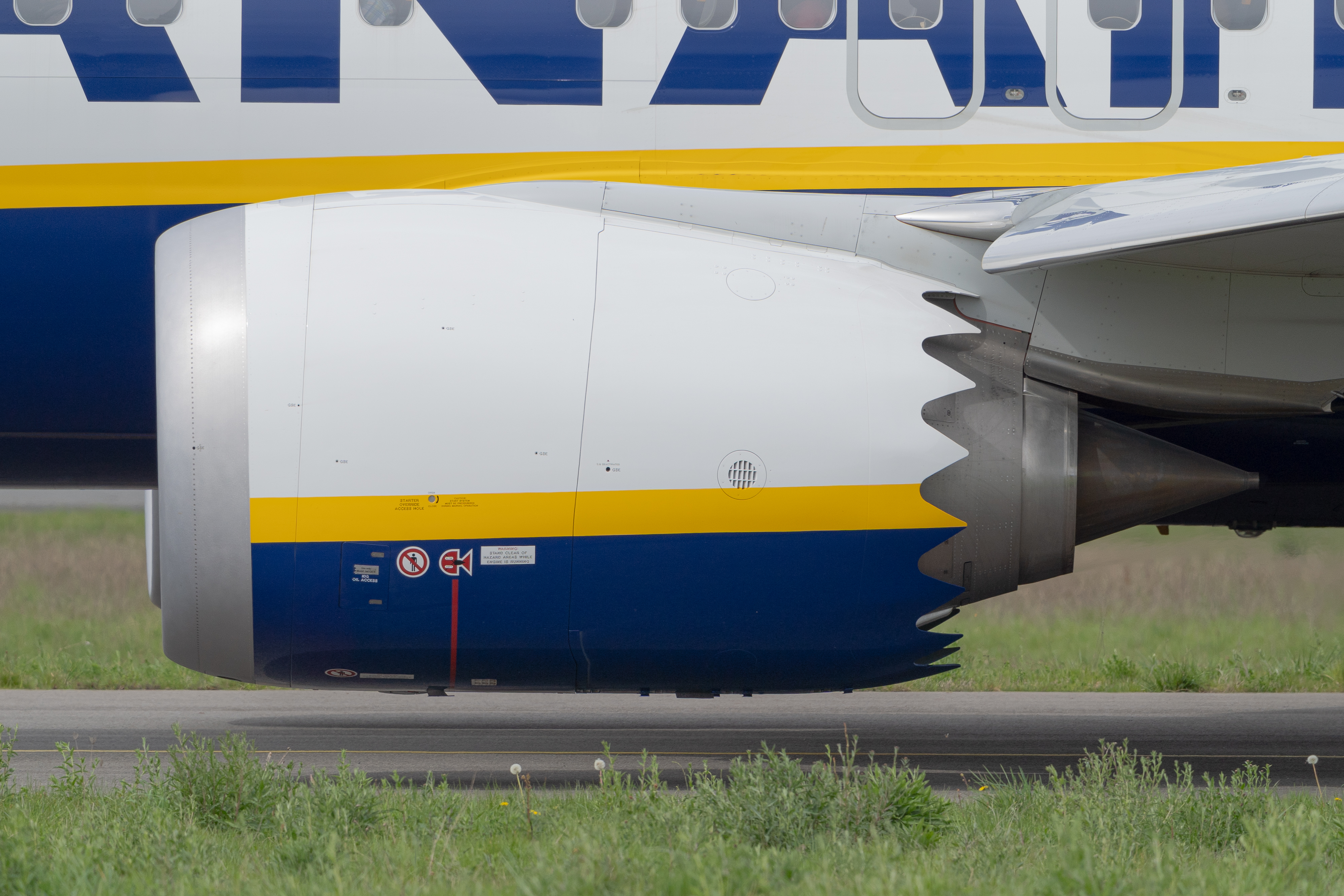
The LEAP is built by CFM International, owned equally by Safran and GE Aerospace. It succeeds the CFM56 and powers the three principal new-generation single-aisle programmes: Airbus A320neo, Boeing 737 MAX and COMAC C919. That presence on several assembly lines links engine output to the pace of aircraft manufacturers. It also broadens support demand: as airlines take delivery, engines join a global fleet that will need inspection, repair and spare parts for many years. Safran must therefore lift new-engine production while continuing to support fleets already flying.
Service demand is already growing with the fleet. In the first half Safran attributed civil propulsion growth to new engines as well as spare parts and shop visits. Maintenance of older CFM56 engines remains substantial because they still power many aircraft from the previous generation. LEAP maintenance rises as early engines accumulate flight hours. This overlap explains how parts activity can remain strong while the company invests in faster new-engine deliveries: two generations of engines are drawing on its support network at the same time.
Safran’s other industrial activity includes defence equipment. The AASM Hammer illustrates its breadth: this family of kits turns bomb bodies of different sizes into guided air-to-surface weapons. Depending on the variant, inertial and satellite navigation is supplemented by an infrared or laser seeker. The system therefore combines guidance, electronics and component manufacturing, far from the processes used for a civil engine. Meeting additional orders requires securing subassemblies and organising assembly at a pace that matches the armed forces’ needs. Defence thus adds to the group’s industrial workload beyond propulsion.
The increase follows a longer rise in LEAP output. Safran reported 1,802 deliveries in 2025 after 1,407 in 2024 and an order backlog above 12,900 units at the end of 2025. The quarter’s 535 deliveries mark another step up, while airlines continue flying and maintaining engines already installed. Industrial progress is therefore visible in factory output and in the supply of parts for the operating fleet.