
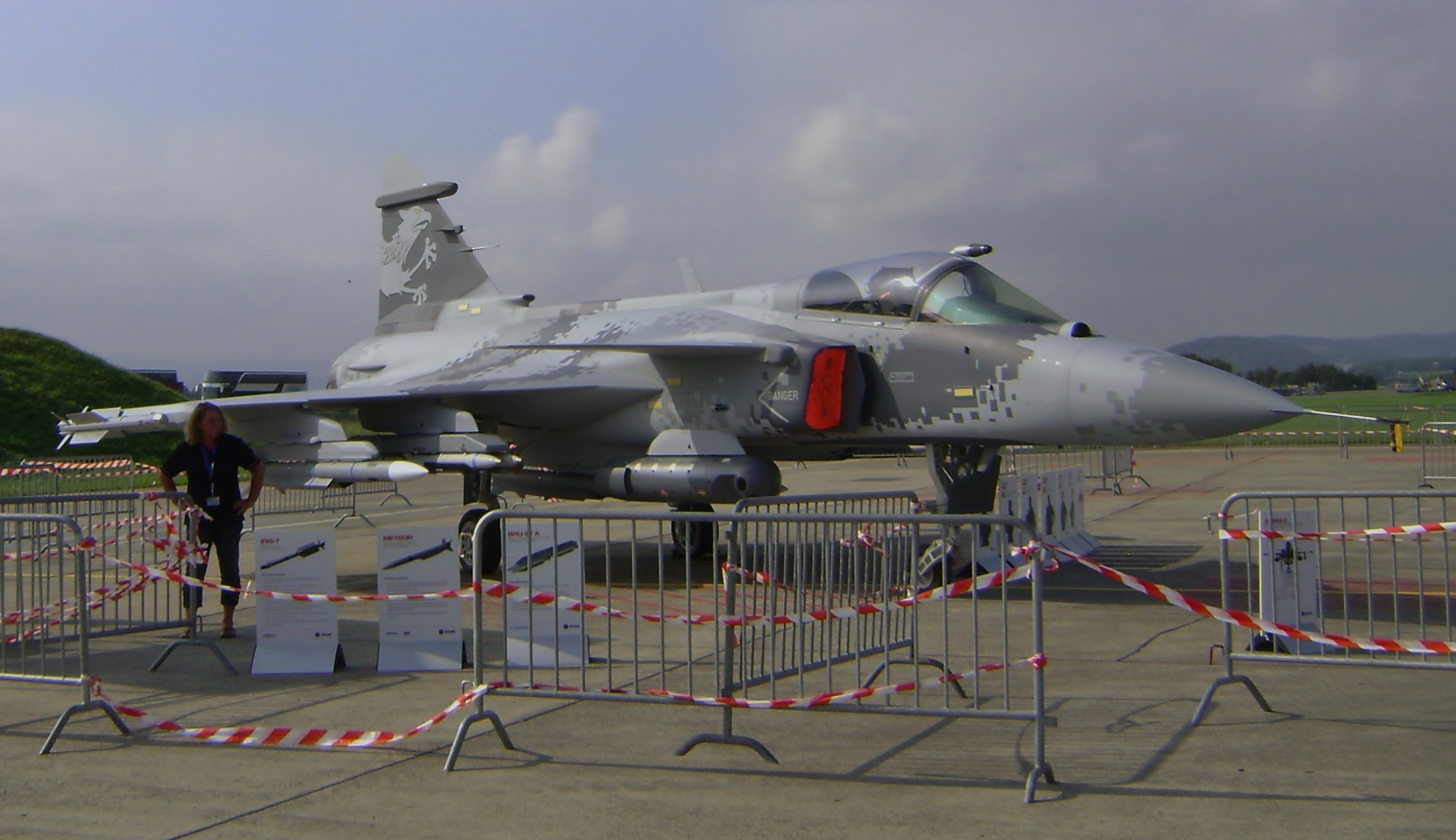
On 27 October Saab named IMP, Magellan Aerospace and CAE as industrial partners for a possible Canadian Gripen E fleet. They would divide assembly, structures and training. The arrangements depend on an Ottawa purchase decision; Saab announced no aircraft order.
Magellan Aerospace would contribute aerostructures, composite manufacturing and assemblies to the Canadian project. Making those parts locally would place some industrial work and sustainment near the fleet. It could also let suppliers develop tooling and qualifications useful to other programmes. The 27 October agreement maps out that division of work with Saab; factories, volumes and investment would follow the configuration Canada chooses.
The Saab–CAE agreement signed in July covers simulators, live-aircraft and technician training, plus mission-systems engineering. CAE would build a training system for Canadian pilots and maintainers. Training connects the purchase of an aircraft to its daily availability: crews must convert, technicians must qualify and those skills must be sustained across the fleet’s life. The October announcement adds IMP and Magellan to that existing part of Saab’s offer. Its simulators would let crews rehearse missions and procedures before using operational jets, preserving flying hours for tasks that require the aircraft.
Canada is also reviewing its F-35 acquisition. Official documents from May say the government is examining capability, price and industrial benefits while payments under the existing agreement continue. Canadian companies already work in the F-35 production chain. Saab is putting forward a different form of domestic participation: assembling and sustaining the fighter in Canada, with local firms responsible for several stages of its life cycle.
The government project page still provides for 88 F-35As, their equipment, infrastructure and support. Initial aircraft are intended for training in the United States before the first arrival in Canada in 2028. Saab’s offer puts greater weight on local assembly and a Gripen-specific support chain. In either approach, the task extends beyond manufacturing: future squadrons need available aircraft, trained crews and logistics able to sustain operations.
Documents and references
- SaabSaab Announces Key Partners for Gripen Canada
- Magellan AerospaceMagellan Aerospace signs memorandum of understanding with Saab
- SaabSaab and CAE sign MOU for Gripen in Canada
- Public Services and Procurement CanadaStanding Committee briefing, May 5 2026
- Department of National Defence CanadaFuture Fighter Capability Project