
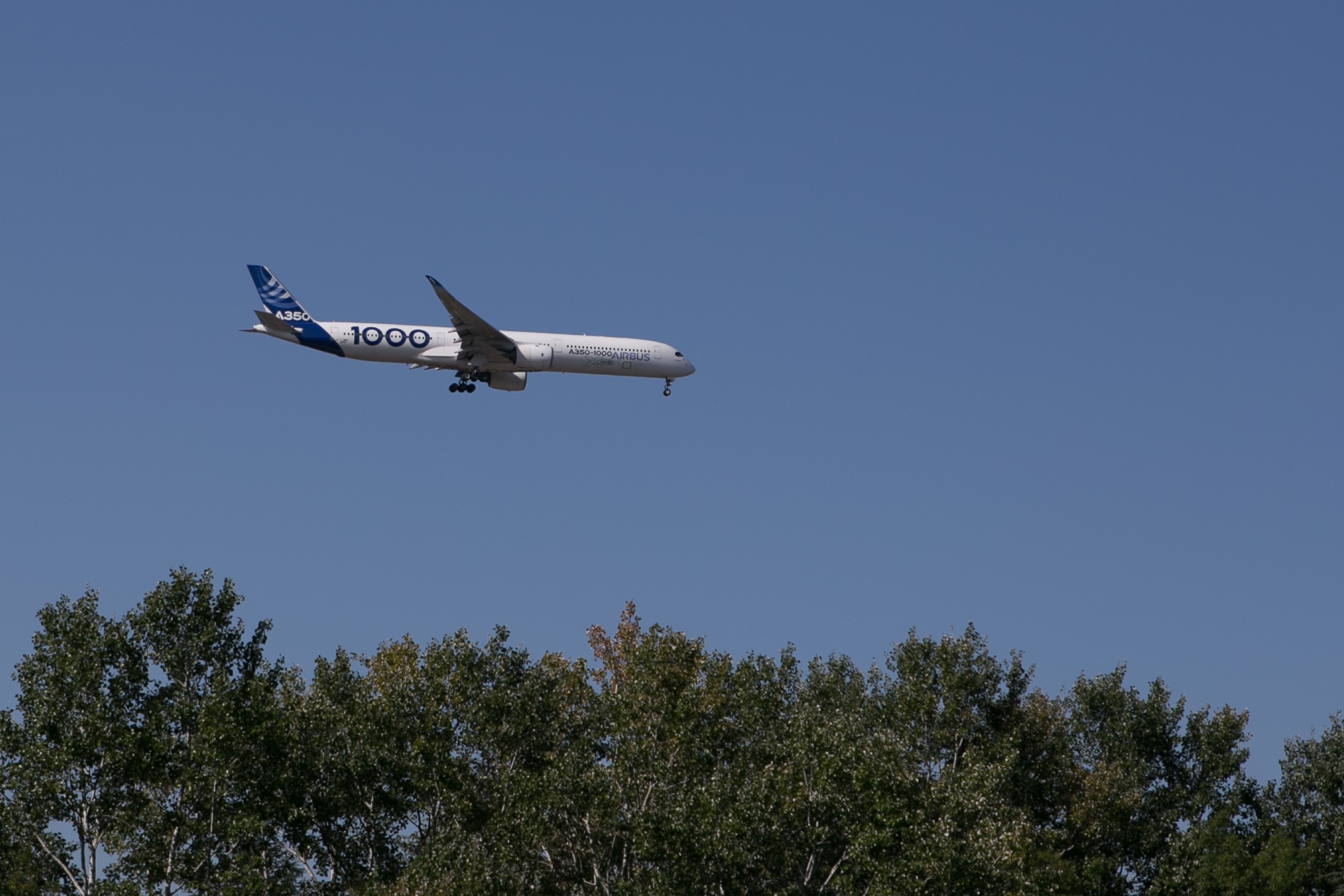
On 28 October Airbus announced Alpha Component Solutions, a fifty-fifty venture with Air France. The new company pools A350 parts, arranges repairs and coordinates worldwide logistics. Airbus says its contracts already cover more than 500 aircraft, indicating the intended scale of the service.
Airbus and Air France-KLM first described the plan in September 2023. They envisaged contributing component inventories to a shared pool accessible to airline customers. Finalisation took longer than the initial schedule, but gives the manufacturer and Air France Industries KLM Engineering & Maintenance a common structure. Each contributes a different discipline: aircraft design and support-network knowledge on one side, daily fleet-maintenance experience on the other.
The model draws partly on Airbus Flight Hour Services, which links parts access, repairs and technical support to a contractual payment per flying hour. Pooling expensive components reduces the inventory each airline must keep at its bases. When a unit fails far from its usual maintenance centre, the network must find a serviceable replacement, move it and send the failed unit for repair. The speed of that chain determines how long an aircraft stays on the ground.
A350 component support existed before the joint venture. Airbus’s extended 2021 agreement with Malaysia Airlines covered base stock, pool access, component engineering and repairs. Alpha Component Solutions brings those practices into a worldwide organisation linking the manufacturer with AFI KLM E&M. For operators, the value lies in coordination among available parts, workshops, transport and technical support, especially when a failure disrupts a long-haul rotation.
The A350 depends on many replaceable units whose availability affects schedule reliability. Airbus describes component support as local stock backed by a wider pool, spreading rare parts across multiple fleets. An airline can also hold more of its own spares or buy the service from another maintenance provider. The new venture will compete on delivery speed, repair quality and commitments matched to each customer’s network. The service is especially relevant to long routes where an aircraft may be far from its main maintenance base.
Documents and references
- AirbusAirbus and Air France-KLM operated joint venture for A350 component support finalised
- Airbus / Air France-KLMAir France and Airbus in exclusive talks to form a JV for A350 component support
- AirbusFlight Hour Services
- AirbusAirbus and Malaysia Airlines extend widebody FHS contract
- AirbusA350: More Commonality. Better Integration.