
On 28 October Airbus opened a people, quality and aviation safety centre at Mirabel. It targets 13 A220s per month in 2028. It also plans a flight-test building at the YMX technology park and more aircraft parking positions for testing, final assembly and deliveries.
The A220 is a single-aisle aircraft designed for roughly 100 to 160 seats. Airbus lists two final assembly lines at Mirabel and another at Mobile, Alabama. Its global target therefore depends on more than one site. At Mirabel aircraft move through assembly, checks and handover; expanding one step alone would not smooth the entire sequence.
An economic study Airbus presented in July says every delivery engages Canadian suppliers of parts, engineering and technical services. The group spent more than C$2.2 billion on activities in Canada in 2025. Mirabel’s ramp-up therefore depends on industrial flows beyond the assembly plant itself.
Higher output also requires new skills. Airbus opened a Tech Hub at Mirabel in May with companies, universities and research bodies. Its work includes industrial robotics, artificial intelligence and digital twins for A220 manufacturing. Master’s and doctoral programmes aim to train local specialists. Those research projects complement the site’s production and inspection positions.
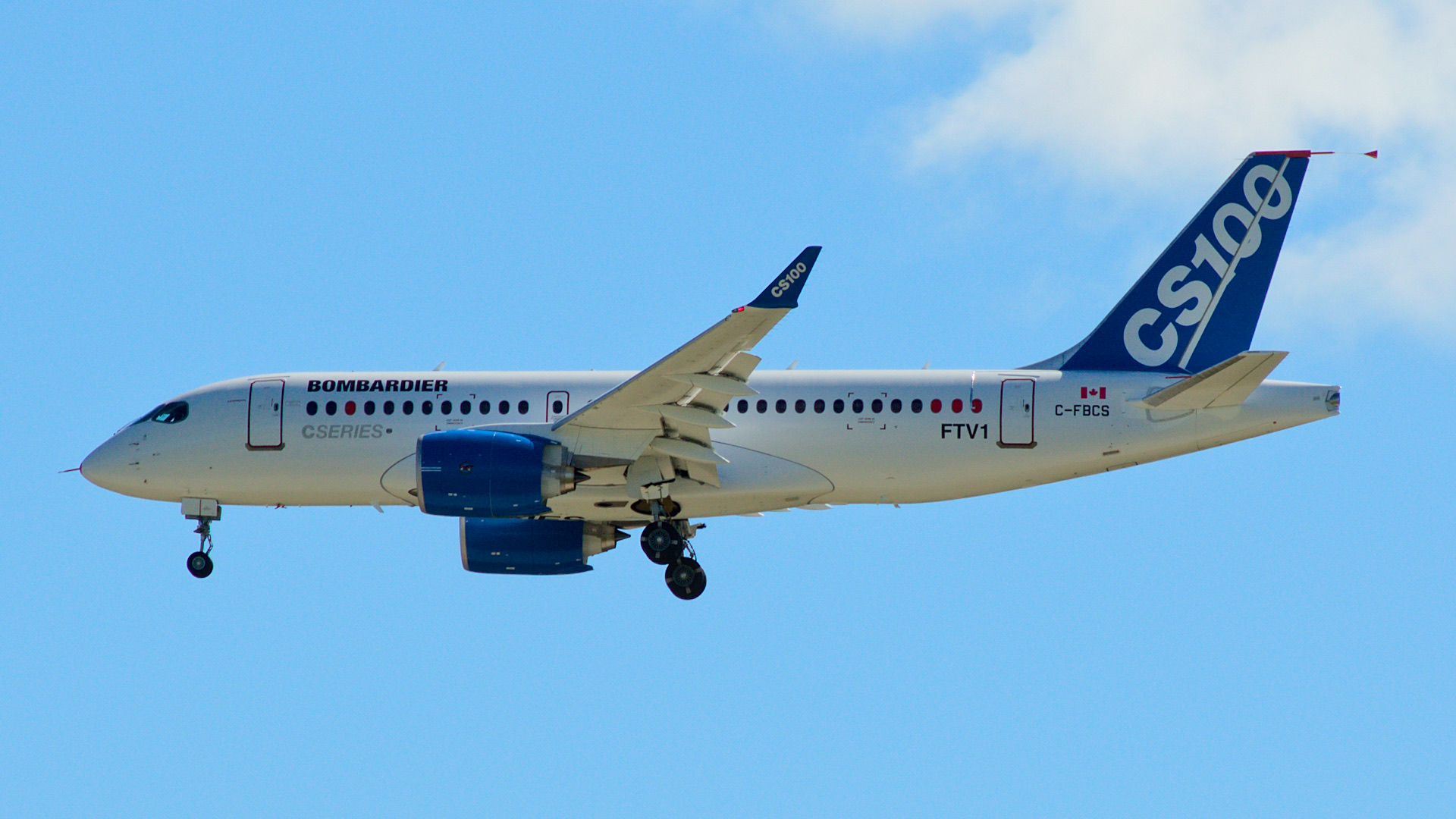
The programme began at Mirabel as the C Series and joined Airbus in 2018; a US assembly line opened in 2020. Airbus says Mirabel delivered its 500th aircraft in 2026, ten years after the type entered service. That history shows why higher output rests on an industrial base built over time and coordinated operations in Canada and the United States.