
On November 11, CAE raised its forecast for adjusted segment operating margin in the year to March 2027 to 14.9–15.4%, from 14.6–15.1%. Management expects stronger profitability in both segments. The company’s own margin measure supplements the figures it reports under IFRS.
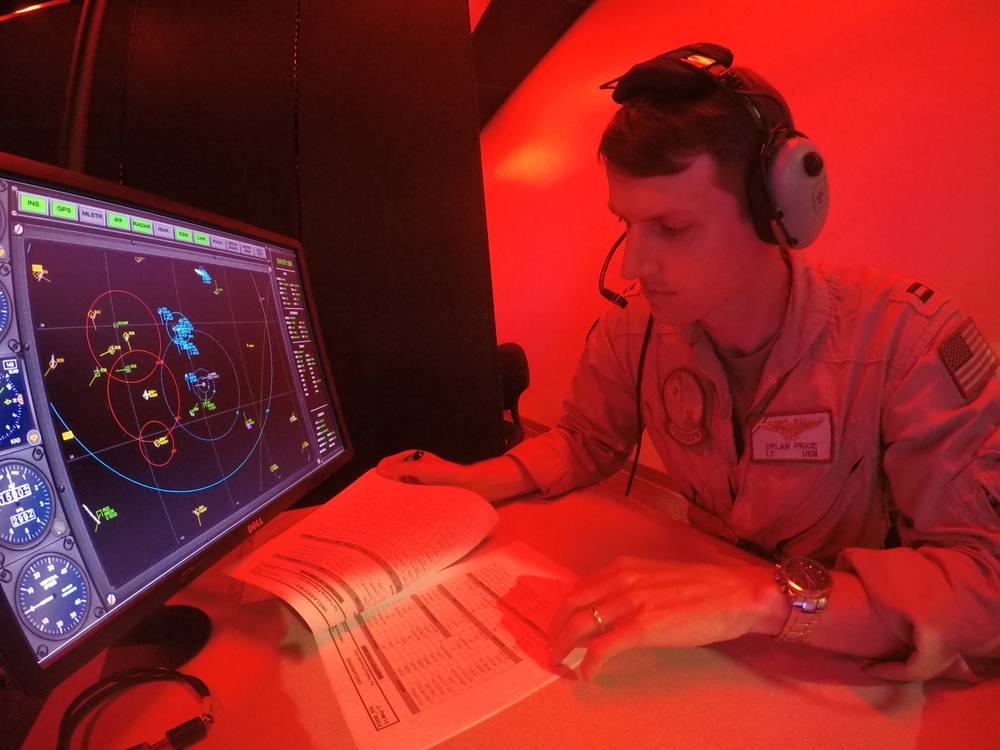
Customers buy simulation in several forms. In civil aviation, CAE sells simulators and runs training centres where airlines and business aviation operators send their crews. Its defence business combines equipment and services too, with training programmes that can cover more than one type of aircraft or different groups of personnel.
CAE’s annual filing distinguishes between competition in simulator manufacturing and competition in training services. An airline can run its own centre or pay an operator to train its crews. Buying the service gives it access to training without having to operate all of the facilities itself.
Civil aviation generated C$652.3 million in sales in the quarter ended September 30. Adjusted operating income fell 16.3%, with a smaller contribution from simulator contracts accounted for as work progresses.
Defence and security adjusted operating income rose from C$52.6 million to C$75.4 million as contract profitability improved. At group level, transformation charges weighed on IFRS operating income, which fell from C$155.3 million to C$114.4 million.
CAE plans to sell Flightscape, its airline operations software business, to SITA. The agreement announced on October 26 puts the enterprise value at US$500 million, subject to contractual adjustments. The sale was still pending in November. CAE intends to use the proceeds for its simulation and training businesses as well as returns of capital to shareholders.
CAE stepped up share buybacks in the second quarter, spending C$106.1 million on them over the first half.