
Sales reached $4.4 billion and operating cash flow rose 37% to $646 million. Woodward projects sales growth of 6% to 10% in fiscal 2027.
Payments for property, plant and equipment increased from $131 million to $319 million. Woodward deducts them from U.S. GAAP operating cash flow to calculate free cash flow, a non-GAAP measure. Free cash flow fell from $340 million to $327 million even though operations generated more cash.
In commercial aerospace, original equipment sales rose about 28% to $885 million. Services grew about 32% to $1.09 billion. The two businesses follow different cycles, one tied to the production of new aircraft and the other to work on the fleet already in service.
Maintenance of the LEAP engine illustrates the second market. In April, Lufthansa Technik signed an agreement authorising it to repair and overhaul Woodward fuel controls, valves and actuators for the LEAP-1A and LEAP-1B. The maintenance provider plans to invest in its own tooling and test equipment. Woodward is thereby expanding the network that supports its components.
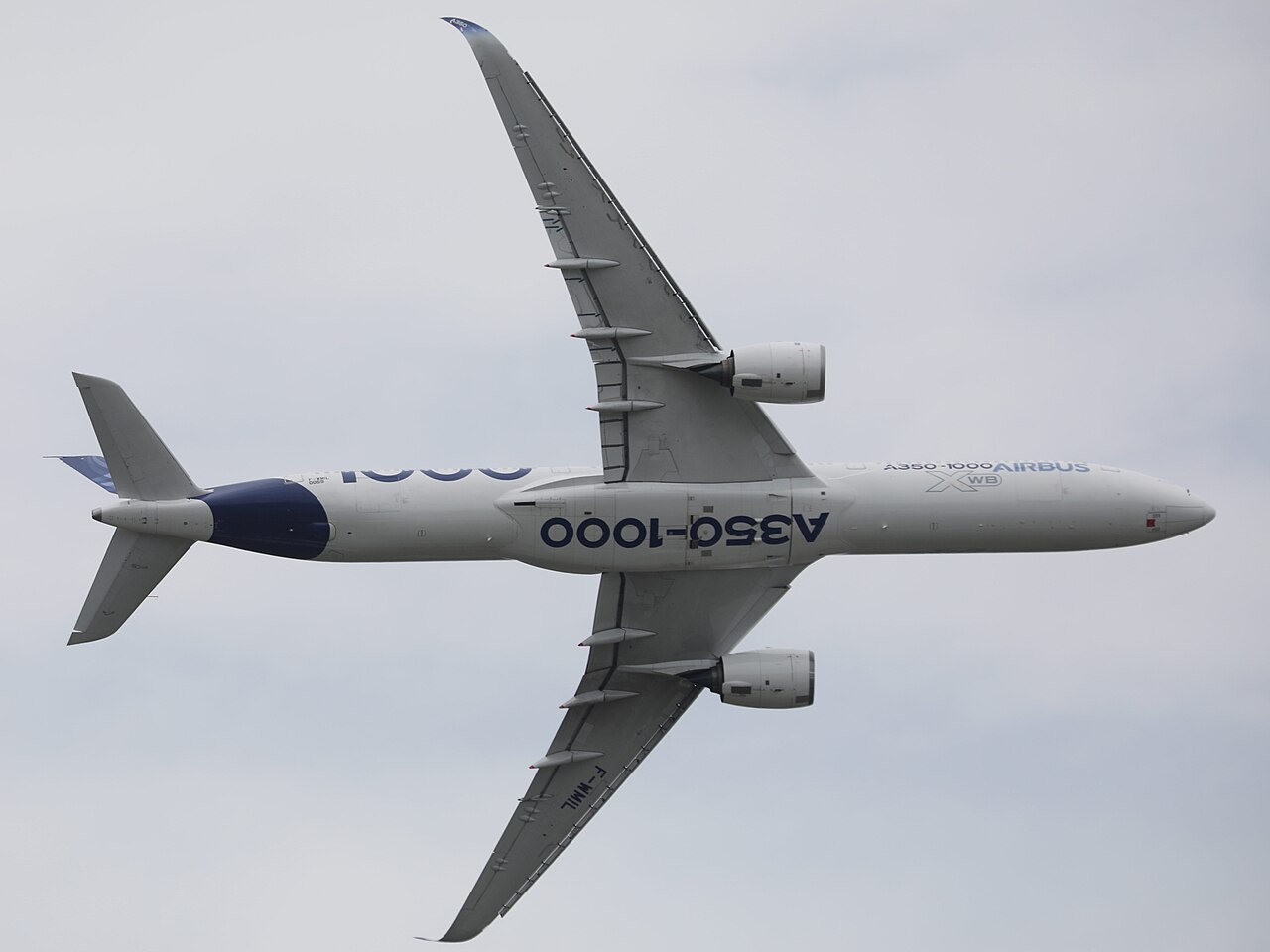
On the manufacturing side, the new Spartanburg plant is due to start making A350 actuators in 2027. These components move the spoilers, surfaces that rise from the wing to reduce lift. Woodward is to supply actuators for twelve of the aircraft’s fourteen spoilers. The company describes the contract as its first commercial primary flight-controls programme.
Spartanburg is also due to take on military flight-control production transferred from Santa Clarita. Woodward expects the new site to come online in summer 2027 and operations at the California site to end by December 2027. The buildout therefore serves two industrial projects, preparing for the A350 programme and moving existing product lines.
Documents and references
- WoodwardRésultats annuels 2026
- WoodwardForm 10-K FY2026
- WoodwardSpartanburg campus fact sheet
- Lufthansa TechnikPartenariat de réparation pour le moteur LEAP
- WoodwardTransfert prévu de Santa Clarita à Spartanburg