
On November 20, Moog reported record sales of US$4.52 billion, up 17% for the year to October 3. Adjusted segment margin rose from 13% to 14.2%.
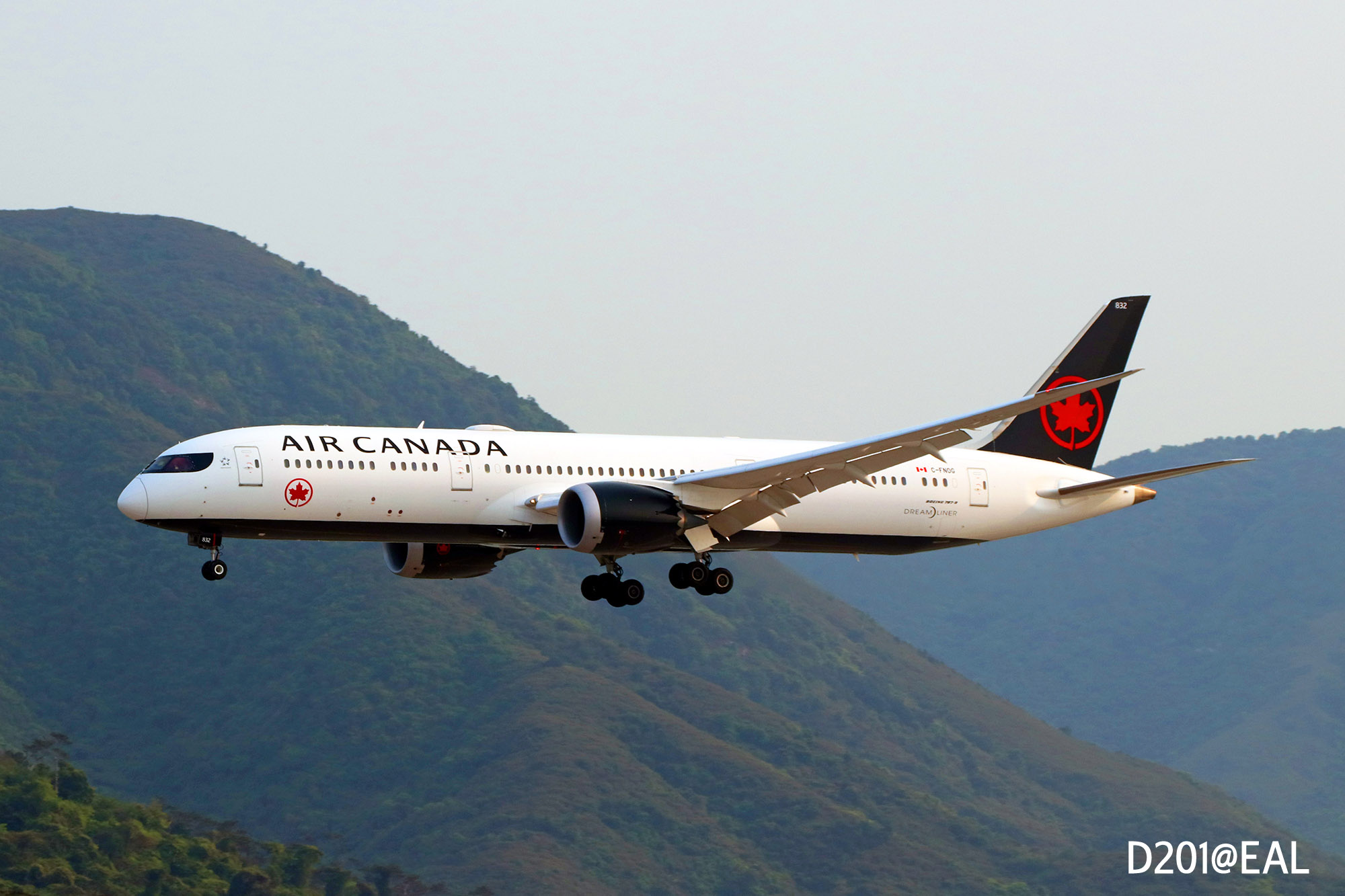
On Boeing’s 787, Moog supplies actuators as part of the flight control system. They move surfaces such as the ailerons, which bank the aircraft, and high-lift devices used during take-off and landing. The supplier has a role in both the controls that change the aircraft’s attitude and the equipment that alters how much lift the wing produces.
An agreement with Lufthansa Technik in 2015 shows how that business continues after the aircraft is delivered. It covers support for operators of the 787’s flight controls. For an airline, access to replacement parts and repairs remains part of the cost of operating the fleet years after buying the aircraft.
Both lines of business contributed to growth in the commercial aircraft segment. In the annual report, original-equipment sales rose by $100 million as volumes and prices increased across several programmes. Aftermarket sales grew by $50 million, helped by an increase in repair work.
The manufacturer’s output gives a sense of the market for line-fit equipment. In late October, Boeing said it was building eight 787s a month. That monthly rate reflects activity on the production line. Repair work depends on the fleet already in service, how much those aircraft fly and when maintenance falls due.
Higher earnings and customer advances helped lift operating cash flow from $273 million to $443 million. Receivables, meanwhile, increased as a result of shipment timing.
For fiscal 2027, Moog expects a 14.2% adjusted segment margin and $250 million in free cash flow, down from $307 million. The forecast includes $120 million in extra facility spending. Free cash flow is a non-GAAP measure.
Documents and references
- MoogMoog FY26
- Moog / SECRapport annuel 10-K de Moog
- MoogÉquipements de commande de vol du 787
- Moog et Lufthansa TechnikAccord de maintenance des commandes de vol du 787
- BoeingRésultats trimestriels du constructeur du 787