
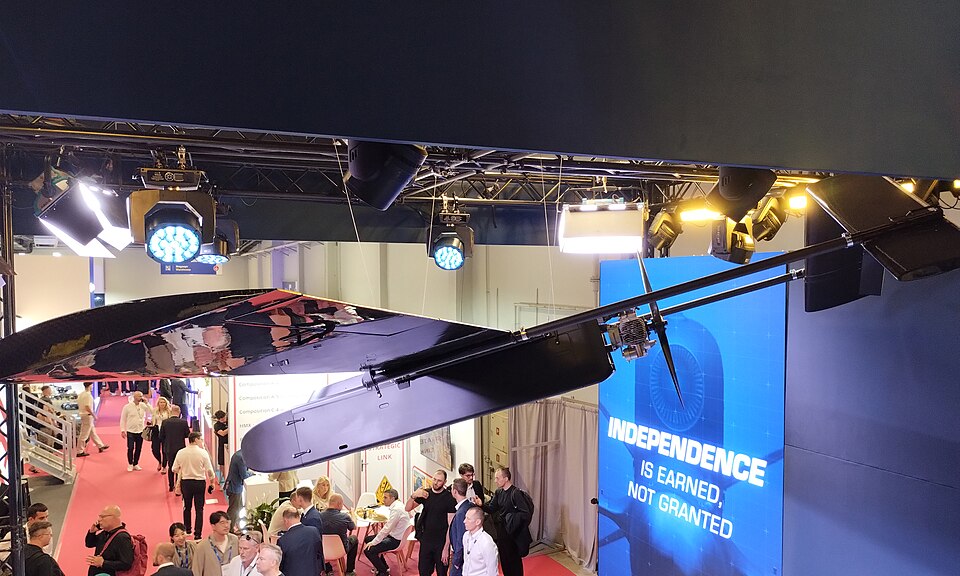
Ukraine’s defence ministry described its middle-strike drone campaign on 25 May, operating 30–200 kilometres away. That operational depth lies between small frontline drones and distant strategic strikes. Listed targets include radars, air defences, depots, command posts and supply routes. These targets support Russian front-line forces.
The April operational assessment gives a measure of the campaign: Ukraine’s General Staff recorded at least 25 air-defence or radar systems hit, along with more than 55 strikes against depots and logistics facilities. Radars accounted for nearly half the first group. Strikes on these sensors are intended to open paths for other drones and missiles, while attacks on depots weaken the continuity of Russian supplies.
The expansion follows a rising tempo reported earlier in spring. In its April assessment published on 5 May, the ministry said engagements beyond 20 kilometres had doubled from March and quadrupled from February. It cited depots, headquarters and air-defence systems among the targets.
Manufacturing is no longer confined to Ukraine. The Norwegian and Ukrainian defence ministries signed an agreement in late April enabling Ukrainian drones to be produced in Norway. Oslo said the manufacturer expected first deliveries before summer. The arrangement adds industrial capacity outside the war zone and also provides for joint work on supply chains and research.
Germany is also funding this segment. On 13 May Kyiv described $600 million for middle- and deep-strike capabilities, alongside joint production of drones incorporating artificial-intelligence technology. A venture in Germany was planned to make several thousand systems in a first phase. Together the arrangements point toward a European production chain built around Ukrainian designs developed through wartime use.
Documents and references
- Ukraine Ministry of DefenceMiddle-strike operations: how Ukrainian drones are degrading Russia’s military potential
- Ukraine Ministry of Defence25 Russian air defence and radar systems hit in April middle-strike operations
- Ukraine Ministry of DefenceUkraine’s Defence Forces increase strike effectiveness
- Norwegian Ministry of DefenceSigning of agreement to build Ukrainian drones in Norway
- Ukraine Ministry of DefenceGermany and Ukraine scale middle-strike drone production