
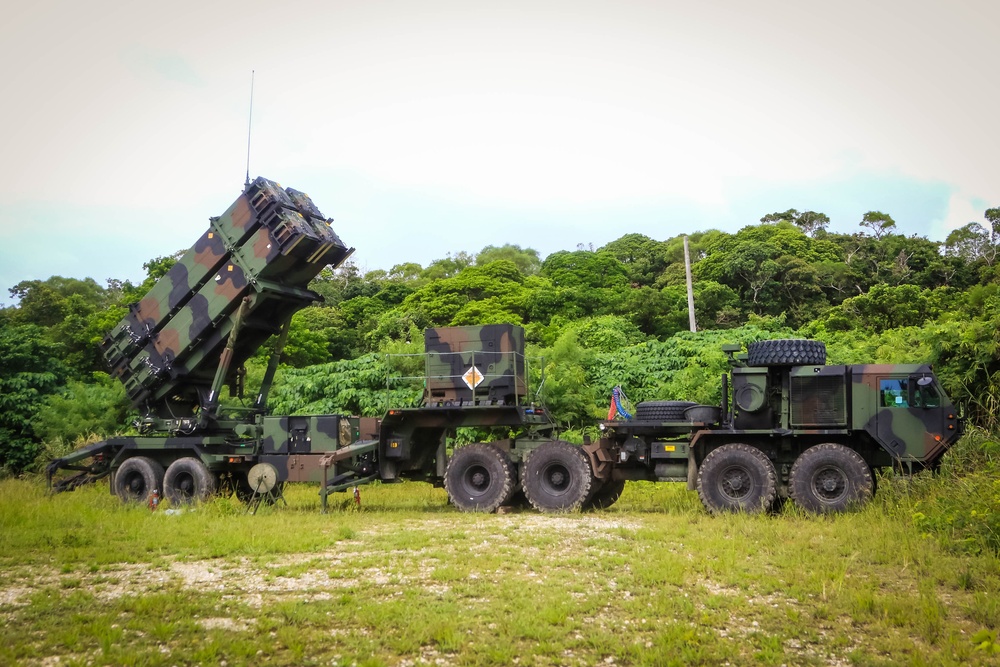
On 8 September, the UK announced a £100 million contribution to PURL for Patriot missiles and other air-defence equipment for delivery to Ukraine before winter.
Patriot is a long-range surface-to-air system whose batteries combine radar, fire control and interceptor missiles. Depending on the selected variant and integration, the family is designed to engage aircraft, cruise missiles and some tactical ballistic missiles. A battery detects and tracks a threat, authorises an engagement and launches an interceptor to defend an area or site; it does not replace shorter-range defences against drones. Range and possible targets depend in part on the missile actually supplied.
PURL organises equipment procurement and delivery. NATO says allied commanders identify requirements, contributing countries finance packages, and the Alliance coordinates delivery to Ukraine. The process can draw on equipment available in the United States and orders from industry. It divides financing and logistics coordination among several Allies. Requirements are therefore consolidated before each country chooses a package to fund, aligning purchases with Ukraine’s military priorities.
The British contribution sits within a wider allied financing effort. On 8 September, NATO’s Secretary General said Allies had allocated more than $10 billion to PURL and US Foreign Military Sales for Ukraine over the previous year. The total covers allied commitments through those two channels.
On 31 August, NATO’s Deputy Secretary General said PURL supplied 90% of the Patriot interceptors received by Ukraine. The figure covers the overall channel. For a system such as Patriot, this pooled channel links Kyiv’s stated requirements with contributions from several governments and equipment supplied by the United States. The proportion underlines the central role of multinational coordination in Ukraine’s interceptor supply.
Documents and references
- Ministry of Defence britanniqueUK pledges winter air defence package to boost Ukraine's defences
- NATONATO’s support for Ukraine
- US Army — Office of the Assistant Secretary of the Army for Financial Management and ComptrollerMissile Procurement, Army: FY 2026 Budget Estimates
- NATORemarks by NATO Deputy Secretary General at the Institute of International and European Affairs in Ireland
- OTANNATO Secretary General welcomes new support for Ukraine, urges nations to continue to step up