
Ukraine’s defence ministry describes SPECTR as data-analysis and planning software developed by its A1 AI centre. Several units are testing it. The project aims to find patterns and reduce repetitive headquarters work while keeping data inside a secure perimeter. The announcement publishes no reliability measurements.
A1 was launched in March 2026 with British government support. Kyiv intended to bring expertise, data and development into a specialist centre, the first of a proposed series covering defence technologies. SPECTR is a concrete test of that structure: turning dispersed information into support for human teams. A common centre can maintain expertise rather than leave each unit to devise its own methods.
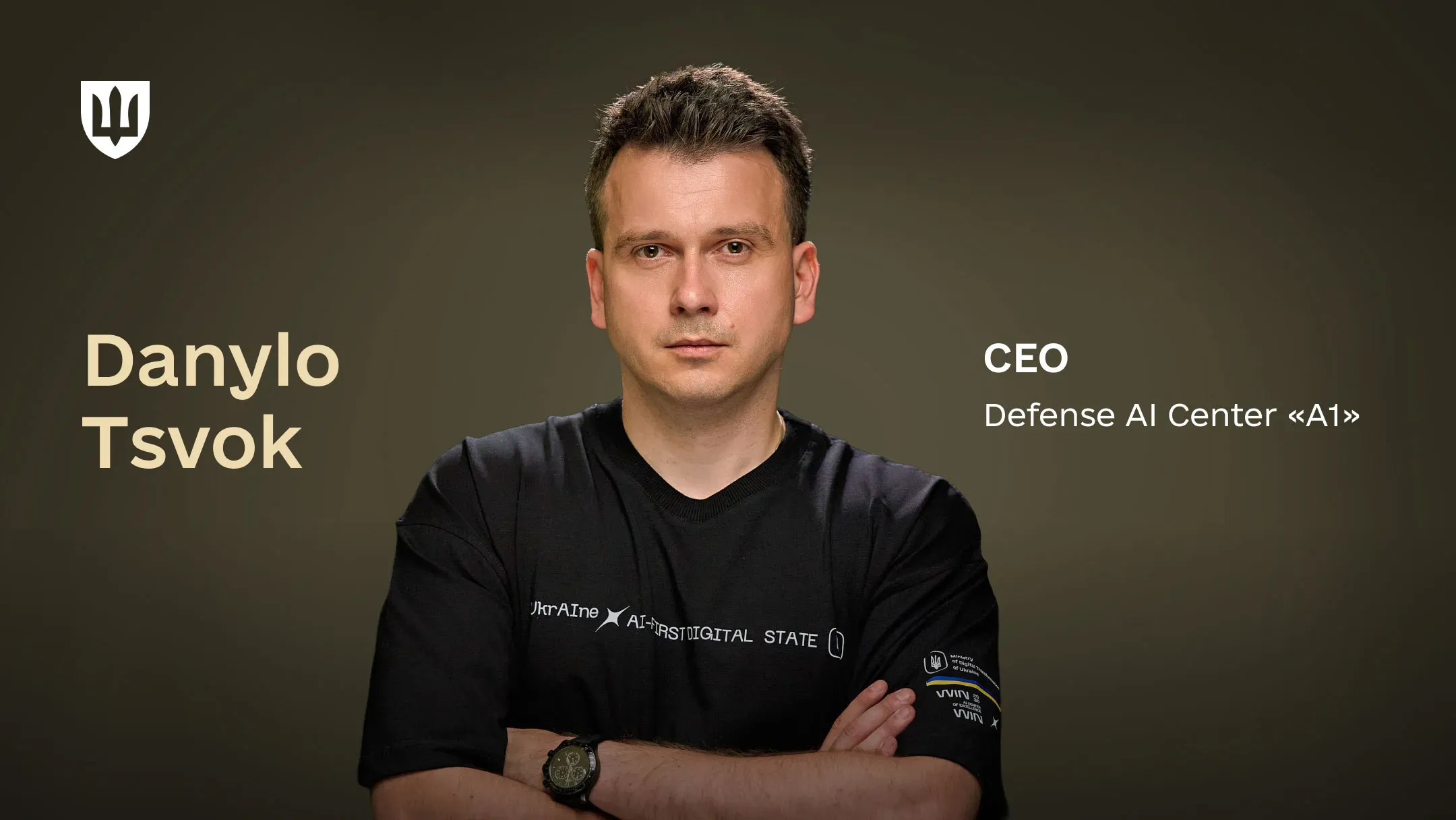
A1 director Danylo Tsvok argued in May that automated analysis could speed decisions. In an interview relayed by the ministry, he also stressed that humans should retain control over final decisions. That distinction matters more than a headline promise to “predict” an adversary: staff need to understand where a recommendation came from, when its information was gathered and how uncertain it is.
The available data are not an abstract resource. The ministry says a separate programme, Avengers Labs, uses annotated imagery drawn largely from DELTA and licenses access to selected Ukrainian companies. SPECTR addresses a different headquarters task, and no specific technical link between the systems has been published. Their coexistence nevertheless makes data governance, access rights and validation practical industrial questions as well as military ones.
The issue reaches beyond Ukraine. Britain’s defence ministry sets requirements for governance, safety, security and human oversight across the life of military AI in its JSP 936 directive. That British framework does not certify Ukraine’s SPECTR. It illustrates the evidence partners would need before decision-support software could be used routinely or shared more widely.
When A1 was established, Kyiv identified data processing, infrastructure and recruitment as its first tasks. SPECTR’s trial now gives those investments a specific headquarters application. The next useful information would be documented feedback from units: time saved, errors encountered and how teams correct them. September’s announcement gives no timetable for general adoption.
Documents and references
- Ministère ukrainien de la DéfenseLess routine for staff officers: SPECTR AI platform to analyse combat data and predict enemy actions
- Ministère ukrainien de la DéfenseMinistry of Defence launches first AI center of excellence
- Ministère ukrainien de la DéfenseDefense AI Center A1: Artificial intelligence will accelerate and enhance decision-making
- Ministère ukrainien de la DéfenseUkrainian defense companies to train their own AI models on Avengers Labs
- UK Ministry of DefenceJSP 936: Dependable Artificial Intelligence in defence
- Ministère ukrainien de la DéfenseDefense AI Center A1: Ministry accelerates AI integration