
The UK defence ministry said on 27 October that Britain would lead development of three payloads for AUKUS uncrewed underwater vehicles. They are a synthetic aperture sonar, a deployable anti-submarine sensor and a deployable non-kinetic effector. The equipment is intended to expand surveillance, detection and undersea infrastructure protection without requiring the three navies to adopt one new vehicle design.
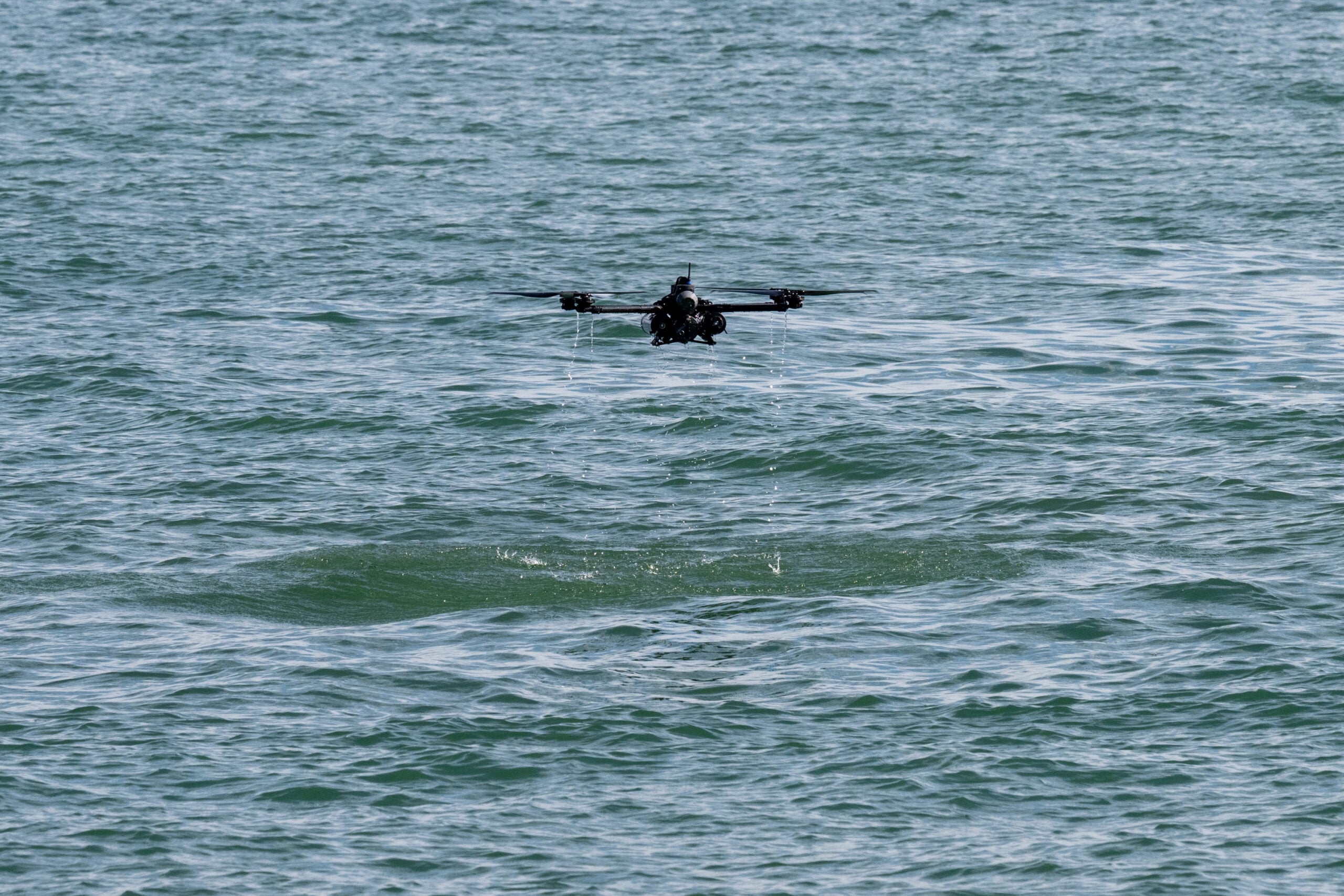
At Maritime Big Play near San Diego, the partners showcased more than forty government and industry technologies. The Royal Navy led anti-submarine work with surface vessels, gliders and undersea drones. The exercise also covered contested resupply and seabed operations, missions in which information has to pass from one platform to another.
The first AUKUS Pillar II signature project's fact sheet describes phased delivery. Each country will first develop national payloads designed for integration with partners' vehicles; a later phase is intended to bring jointly designed and produced systems. Shared standards and controls are therefore central: they allow a vehicle to use equipment developed by another country.
Australian, British and US ministers announced the project in May under the pillar devoted to advanced technologies. It is separate from Pillar I, which addresses Australia's nuclear-powered submarines. Here the nearer task is to make payloads interchangeable across existing or future drone fleets, a quicker route to extending missions than building a new class of crewed submarine.
Australia's defence ministry also described its AUKUS undersea work in October, placing the programme in an industrial context beyond Britain's contribution. National work can specialise suppliers while preparing common integration. For forces, the value lies in the whole chain: sense a contact, classify it, share it and act without losing track in a difficult undersea environment.
The initial fact sheet targets deliveries starting in 2027 with interchangeable national payloads. Their military value will depend on vehicle integration and common procedures for sharing detections and acting together.
Documents and references
- UK Ministry of DefenceUK sets pace on new undersea sensors to detect threats
- AUKUSPillar II Signature Project fact sheet: payloads and enabling systems
- UK Ministry of DefenceAUKUS Defence Ministerial Joint Statement
- Australian Ministry for DefenceAustralia advances undersea warfare capabilities
- Royal NavyAUKUS nations showcase cutting-edge maritime technology