
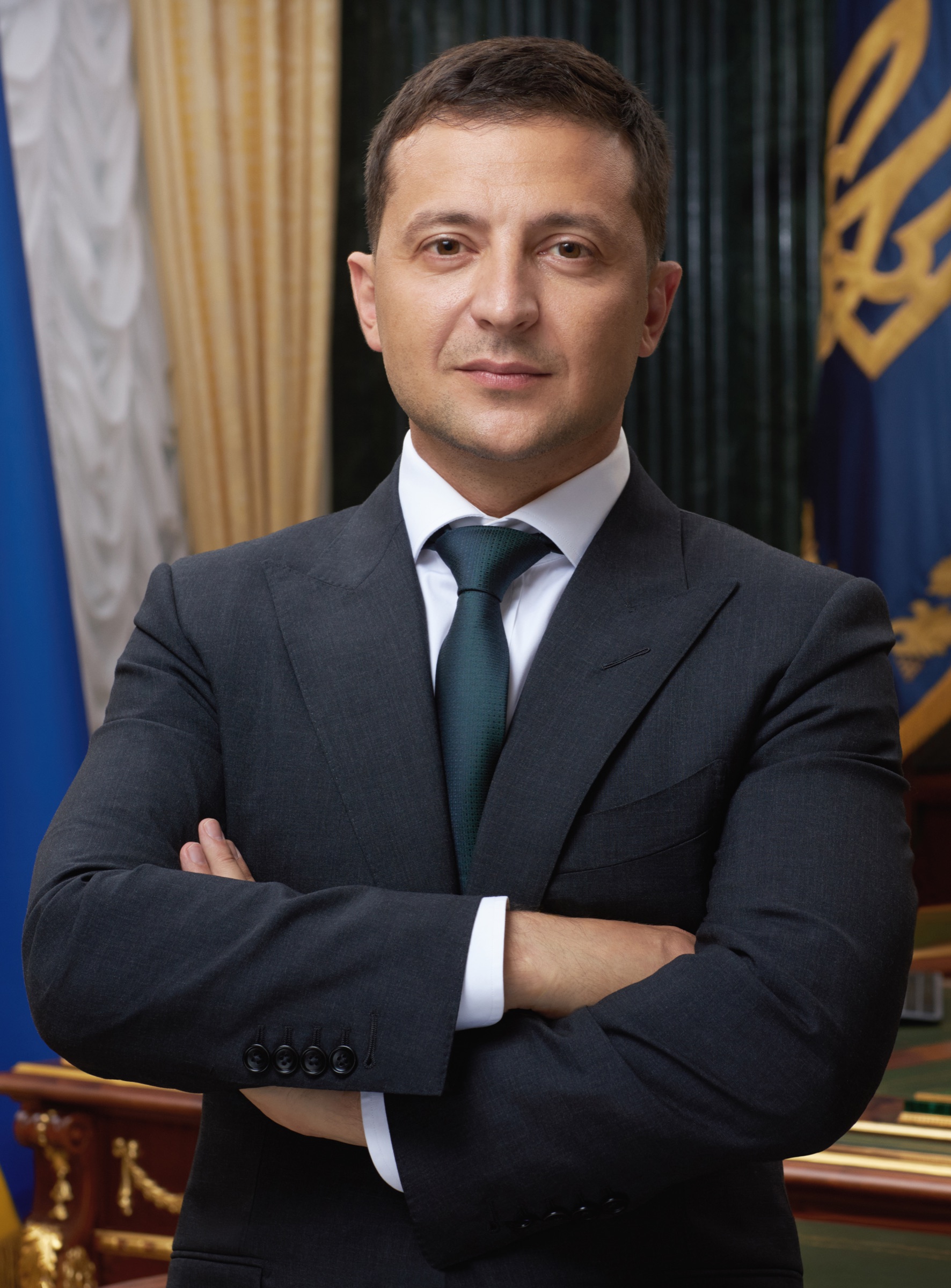
On 30 October, Volodymyr Zelenskyy signed decrees enacting sanctions against ten companies and nineteen Russian nationals associated with Rassvet, a low Earth orbit satellite communications project. Ukraine’s security council named network lead Bureau 1440 alongside suppliers of solar cells, spacecraft, user terminals and industrial equipment.
The sanctions cover only part of the supply chain. Two days earlier, Ukrainian military intelligence published a list of forty-nine Russian and Belarusian organisations it says are involved in the programme. That map includes IT groups, electronics makers, space organisations and structures linked to Russia’s defence ministry.
Rassvet involves more than orbiting spacecraft. The project combines satellites, control infrastructure, gateway stations and terminals for fixed or mobile users. Bureau 1440, part of IKS Holding, coordinates the system; other participants supply solar panels, circuit boards, launch vehicles or propulsion. Those dependencies explain Kyiv’s focus on subcontractors too.
Ukraine’s registry puts Bureau 1440 at the centre of the system and describes a planned interface with Russian military space infrastructure. It attributes launch-site access to Roscosmos and financing to VTB. These roles span launch infrastructure and project financing.
Ukraine assesses that Moscow intends to use Rassvet for military communications and command, including drones and command posts fitted with terminals. It describes plans for integration with vehicles of the Iskander system. Kyiv provides no evidence here of their operational use at scale.
Orbital deployment has begun. A tracker records two launches of sixteen production satellites in March and July 2026, following six experimental spacecraft launched in 2023 and 2024. Its assessment dated 13 October counted thirty-seven objects in orbit out of thirty-eight launched, with several still climbing towards their working orbit.
Bureau 1440 targets commercial service in 2027. The tracker distinguishes catalogued satellites from those established in their working orbits and notes that assessments of functioning spacecraft differ. The sanctions’ effect will therefore depend on their application to suppliers as well as Russia’s ability to keep launching spacecraft and deploying terminals.
Documents and references
- National Security and Defense Council of UkraineUkraine imposes sanctions on participants in the Rassvet satellite project
- Defence Intelligence of UkraineWar & Sanctions: details of the Rassvet project
- Defence Intelligence of Ukraine, War & SanctionsRassvet involved enterprises
- azmthRassvet satellite tracker