
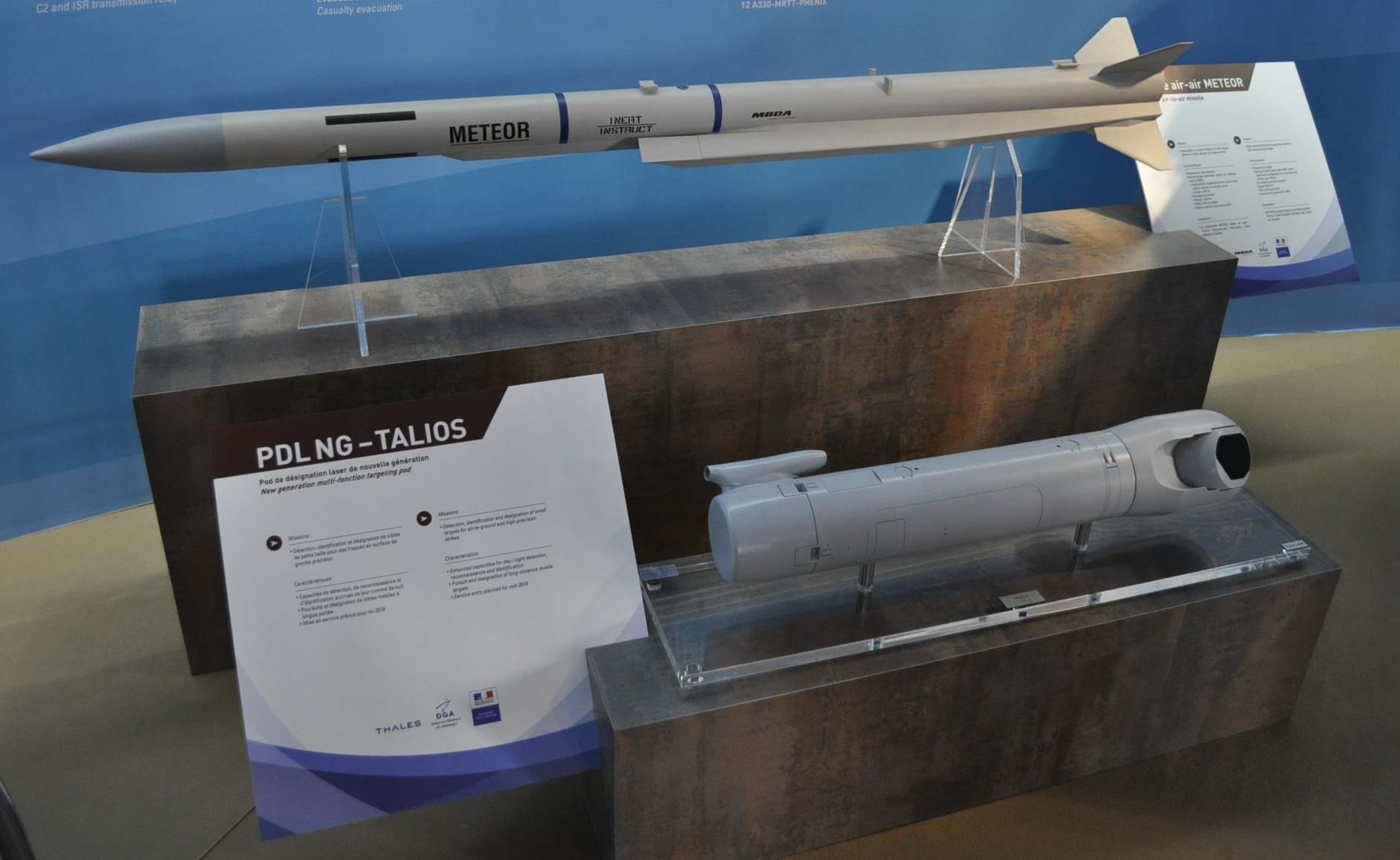
MBDA announced on 5 November the first jettison of a Meteor test article from an F-35B internal bay. Flown in the United States on 7 October by a Royal Navy pilot, the sortie gathered separation data for the next test stages.
Flying with Meteor did not begin with this jettison. In February 2025, MBDA reported F-35B flights carrying the missile to gather environmental and performance data. Those sorties tested carriage and aircraft systems while the weapon remained attached. The new release trial addresses a different question: how the store behaves when it leaves a bay close to the fuselage, where airflow and bay doors create tight constraints.
On the Italy-sponsored F-35A, vibration and bay-fit tests reported in December 2025 remained on the ground. The British F-35B jettison is a different milestone, reached in flight.
The integration is part of a funded programme for British and Italian fleets that MBDA detailed in 2021. BAE Systems, Lockheed Martin, and MBDA teams must adapt the aircraft, carriage systems, and weapon, then complete simulations and tests. Meteor adds a beyond-visual-range air-to-air option. The multinational work explains why qualification proceeds through separate steps on two aircraft variants rather than through a single shared demonstration.
Meteor is a beyond-visual-range air-to-air missile developed for six European countries. MBDA gives its mass as 190 kilograms and length as 3.7 metres. Its ramjet sustains thrust toward interception rather than relying only on an initial boost. Those dimensions make bay-fit and separation testing concrete engineering tasks: the weapon must leave the internal bay without striking the aircraft before its combat performance can be used.