
Shield plans $1 billion in Series H equity, $1 billion in structured equity from Blackstone-managed funds and $500 million in debt. Up to $500 million of the purchase price depends on Echodyne’s performance. Closing is expected in early 2027, subject to regulatory approvals.
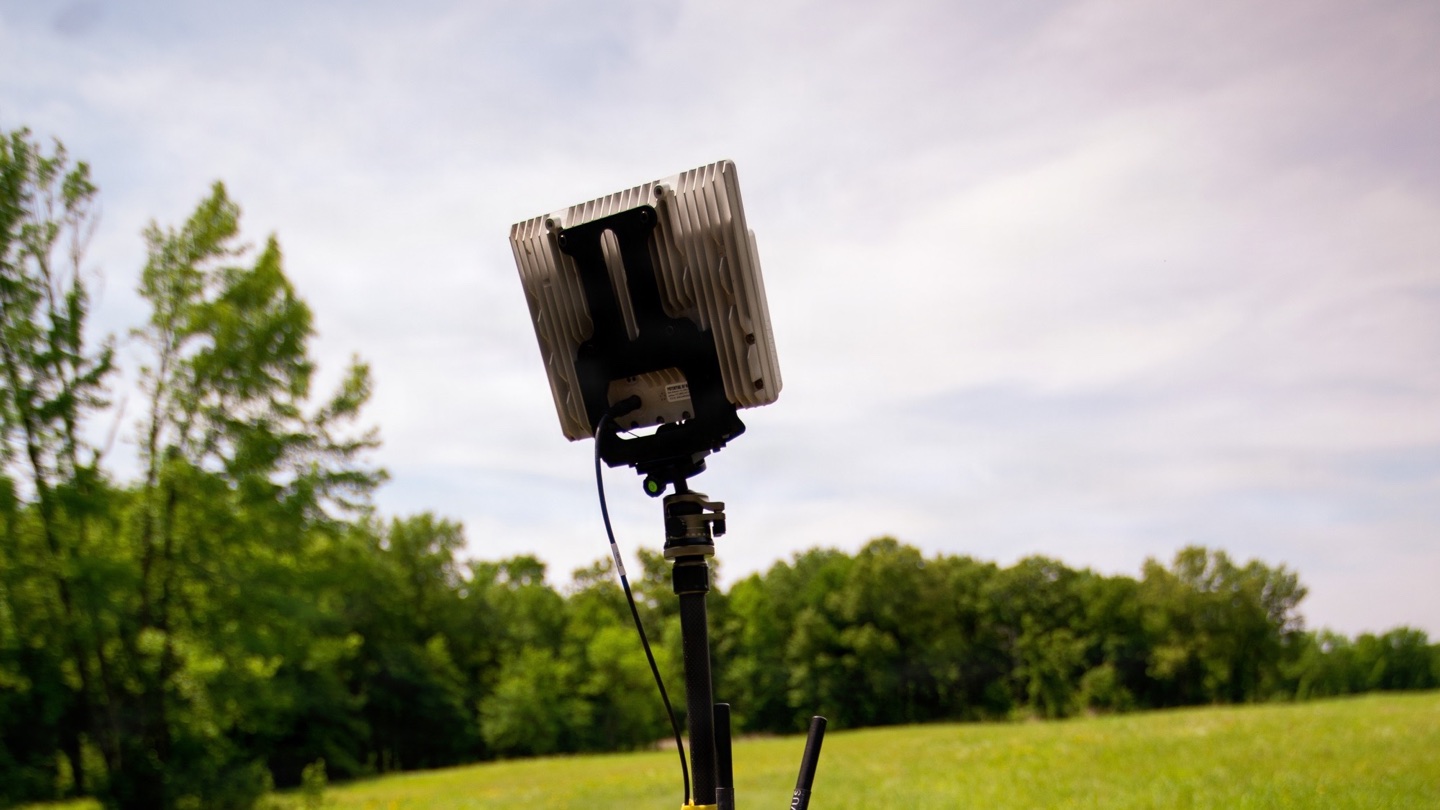
Echodyne makes radars that detect and track small airborne objects, including drones. Its MESA architecture steers the beam electronically, without moving the antenna for each measurement. The radar provides a track, a series of estimated positions. Echodyne uses the architecture in several products, including EchoShield for medium-range surveillance and EchoGuard for shorter ranges.
Shield’s established business centres on onboard software. Hivemind is used to develop and test software pilots for uncrewed vehicles. Shield offers customers both pilots it builds itself and an environment for manufacturers to develop their own. The acquisition would add a sensor supply business.
In September Echodyne announced a framework contract with a $250 million ceiling under Domestic Shield, a US counter-drone programme. Buyers can place orders over a period of up to three years. The agreement gives US and allied customers access to the radars through the programme’s marketplace, where they can choose equipment as needs arise.
Manufacturing also helps explain the industrial scope of the agreement. Echodyne opened a production site in Washington state in July. The company invested $40 million in the plant and expects annual capacity eventually to exceed 30,000 radars. It combines manufacturing and warehousing so the company can scale several product lines.
The market for these radars extends beyond military sites. Echodyne sells products for monitoring airports, ports and stadiums. For those customers, the sensor is part of a wider security system. A radar alert can help operators track an object near a runway or in the airspace around a public event.
The Netherlands’ Robin Radar serves the same detection market with IRIS, a radar for tracking and classifying airborne objects. The Dutch defence ministry ordered 100 units. Surveillance system manufacturers can therefore source sensors from several specialist suppliers.
Documents and references
- ShieldAccord d’acquisition d’Echodyne
- EchodyneArchitecture du radar MESA
- ShieldLogiciel d’autonomie Hivemind
- EchodyneContrat-cadre Domestic Shield
- EchodyneNouvelle usine de radars
- Robin Radar SystemsRadar IRIS de Robin Radar
- EchodyneRadars pour infrastructures critiques