
At its November 27 presentation in Hamburg, Rheinmetall cut its 2030 organic sales target for weapons and ammunition to €10–12 billion from around €14–16 billion.
Berlin’s cancellation of the F126 frigate programme also cut the outlook for the naval division, which Rheinmetall expanded through its acquisition of the NVL shipyards. The group now targets €3.5–4 billion in naval sales in 2030, down from about €5 billion. Reuters reported that JPMorgan analysts found the group’s revised sales target more credible and still considered the margin target highly ambitious.
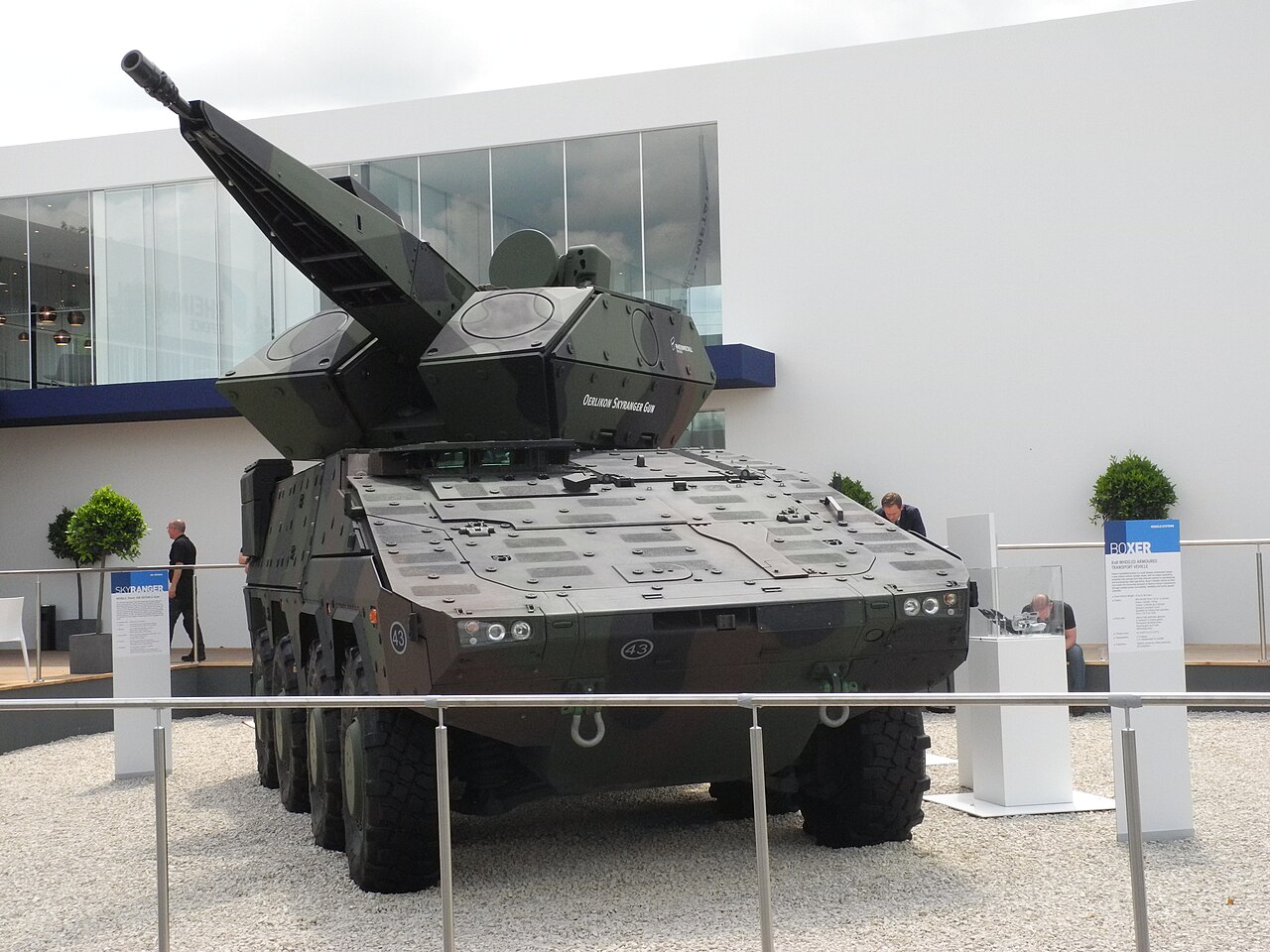
In armoured vehicles, Germany’s Arminius programme covers the Boxer family of wheeled vehicles for the Bundeswehr. Artec, a joint venture between Rheinmetall and KNDS Deutschland, is the Boxer’s prime contractor. In late October, Rheinmetall linked an Arminius award to faster deliveries of optional Schakal vehicles, an infantry fighting variant already ordered by Germany and the Netherlands.
On November 4, Rheinmetall cut its 2026 sales forecast to about €13.2 billion from €13.7–14.2 billion and lowered its operating margin forecast to around 18.5% from about 19%. The group no longer expected the Arminius order in 2026 and projected the associated advance payments and sales for 2027. It also expects delays in customer acceptance of artillery ammunition batches. Management expects positive operating free cash flow for the full year.
Sales from continuing operations rose 38% to €8.38 billion in the first nine months of 2026. Adjusted operating profit reached €1.34 billion, lifting the margin from 13.1% to 16%. Germany accounted for 41.3% of sales, three percentage points more than a year earlier.
Order intake reached €18.26 billion over the period. At September 30, Rheinmetall’s broader backlog stood at €78.01 billion, including €54.32 billion in firm orders. The balance reflects volumes the company expects customers to call off under existing framework agreements.
Operating free cash flow from continuing operations deteriorated to minus €1.70 billion over nine months, from minus €798 million a year earlier. Rheinmetall attributed the change to higher inventories to support sales growth and to the sizeable customer advances it had received in the same period of 2025.
For 2030, Rheinmetall targets operating free cash flow above 50% of operating profit on a trailing three-year average. Cash capital expenditure as a share of sales is expected to peak at about 10% in 2027.
Documents and references
- RheinmetallPrésentation du Capital Markets Day 2026
- Reuters / EuronextRévision des objectifs et réaction des analystes
- RheinmetallCommande de véhicules Schakal et calendrier industriel
- Rheinmetall / EQSAvis réglementaire sur la révision des prévisions annuelles
- RheinmetallCommuniqué sur les résultats des neuf premiers mois
- RheinmetallRapport trimestriel 2026, troisième trimestre