
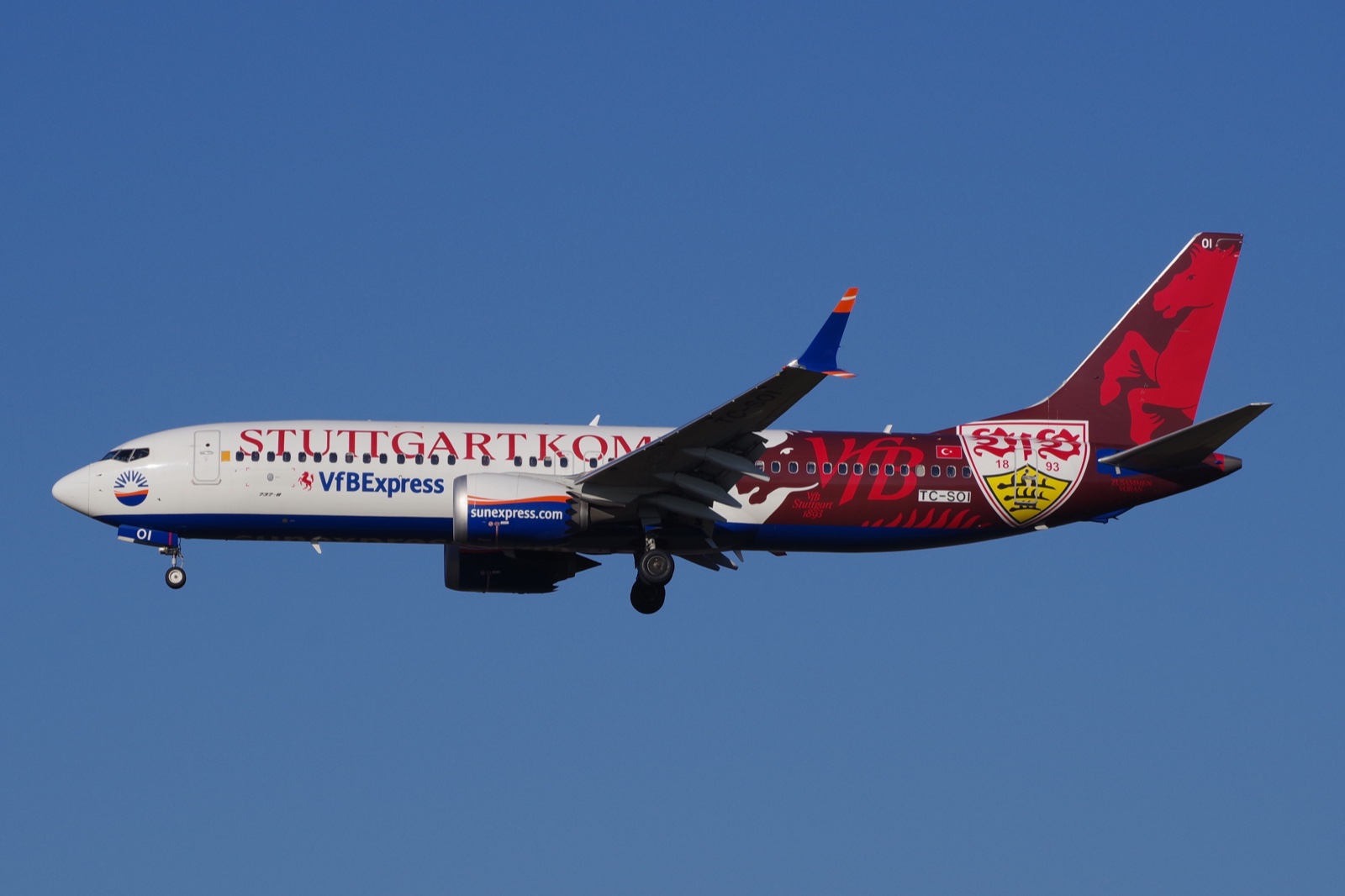
On 17 July the FAA said Boeing would be allowed, from 20 July, to issue individual airworthiness certificates for all newly built 737 MAX and 787 aircraft. It cited eight months of data showing comparable quality findings between FAA and Boeing certification weeks. The decision concerns the final step for each completed aircraft.
The reopening has been gradual since 2025. That September, the FAA let Boeing resume the function for some aircraft, alternating certification weeks with the agency. The FAA had withheld this authority for the MAX in 2019 following the Lion Air and Ethiopian Airlines crashes, then for the 787 in 2022 because of production-quality problems. July’s change extends delegation across both aircraft families. The sequence matters because the 2026 step follows a period in which the regulator directly compared its own certificate reviews with Boeing’s.
A standard airworthiness certificate authorises operation of an individual aircraft conforming to an already approved type. It is therefore not a new type certificate for the 737 MAX or 787. Boeing acts through its Organization Designation Authorization unit, empowered to perform certain functions on the FAA’s behalf. Regulation and oversight of that delegation remain with the federal agency. The distinction keeps the scope of July’s decision precise: it changes a production-stage authorisation, not the approved aircraft design.
The decision follows a period of intensified scrutiny. After a 737-9 MAX lost a door plug in January 2024, the FAA launched an audit of Boeing’s lines and suppliers and examined risks in delegated functions. It also blocked expansion of MAX production until quality-control problems were addressed. Those interventions concern manufacturing itself, beyond the final signature on each aircraft.
The FAA’s ODA office oversees companies authorised to conduct selected certification and inspection functions for the agency. Established in 2019 and later placed directly under the head of aviation safety, it is tasked with making oversight of those delegations consistent. Returning the signature to Boeing therefore leaves a federal control chain in place: the FAA must regularly assess the authorised unit’s work and the quality of aircraft leaving the production line.
Documents and references
- Federal Aviation AdministrationBoeing airworthiness certificate delegation decision
- Federal Aviation AdministrationLimited delegation in September 2025
- Federal Aviation AdministrationStandard airworthiness certificates
- Federal Aviation AdministrationBoeing production oversight after 737-9 event
- Federal Aviation AdministrationOrganization Designation Authorization Office
- Federal Aviation AdministrationDelegated Organizations and ODA oversight