
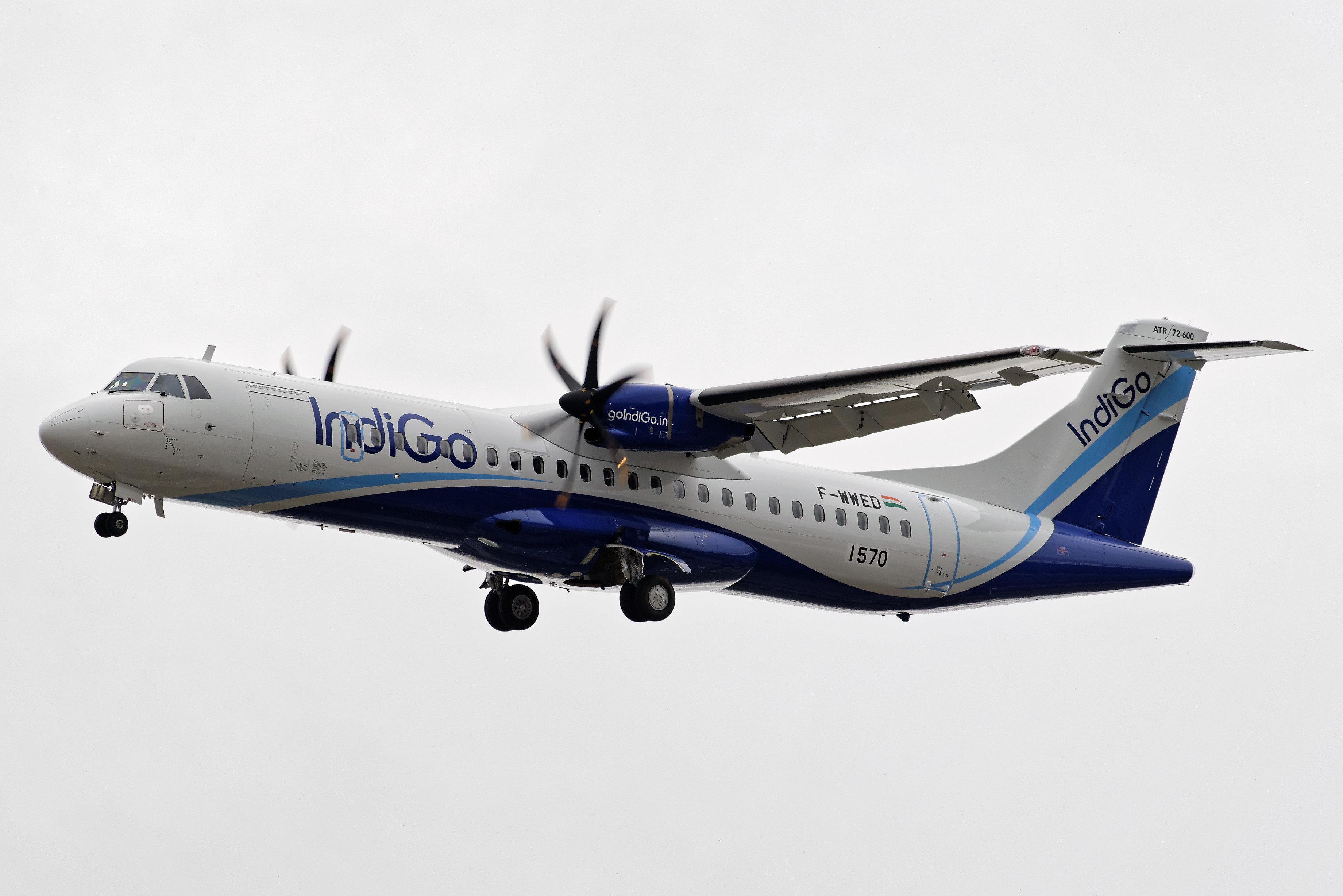
On September 3, FLY91 confirmed a firm order for forty ATR 72-600s, for delivery between 2027 and 2032. The contract brings ATR’s orders since January to 54 aircraft.
At the announcement, the airline was starting from a small base. Figures it supplied to Aviation Week showed six aircraft and nearly 280 weekly flights serving about a dozen destinations. Having started operations two and a half years earlier, it aims for more than sixty aircraft over time, an ambition extending beyond this order alone.
The expansion has a broader public-policy backdrop. In March, the government approved a revised UDAN regional-connectivity programme with 288.4 billion rupees over ten years. It includes developing one hundred airports and supporting airlines operating awarded routes, giving operators more time to build a market for services that may initially lack sufficient traffic.
ATR has a specific view of that opportunity. Its January study identified up to 420 potential new routes suited to turboprops, below 400 nautical miles. The manufacturer is targeting journeys now made by road or rail. That commercial estimate reflects its bet on short sectors and affordable fares as the drivers of regional demand.
Competition is already established. IndiGo also operates ATR 72-600s, while Star Air flies Embraer E175s and ERJ145s. In July, the Brazilian manufacturer announced Indian certification for further models, including the E195-E2, and described an E175 assembly project with Adani. Regional aviation is consequently attracting different industrial strategies and aircraft sizes.
For FLY91, aircraft availability will matter alongside fleet size. In January, the airline renewed its maintenance agreement with ATR for eight years. Spare parts, equipment repairs and propeller maintenance form part of the support package; chief executive Manoj Chacko emphasised the importance of making future maintenance costs more predictable as operations expand.
The manufacturer, meanwhile, needs to increase deliveries. ATR handed over 32 aircraft in 2025, below expectations because of supply constraints. In February, it reported assembly investments and fewer component shortages, targeting roughly 20% more deliveries in 2026. That makes industrial execution a significant part of the company’s growth agenda.
Services already generated $538 million of ATR’s $1.2 billion revenue in 2025. Fleet expansion therefore creates opportunities to support aircraft throughout their operating lives, alongside the business of manufacturing them.
Documents and references
- ATRFLY91 Places Historic Order for 40 ATR 72-600 Aircraft
- Aviation WeekIndian Regional Carrier FLY91 Places Firm Order For 40 ATR 72-600s
- Gouvernement indien / Press Information BureauCabinet approves Regional Connectivity Scheme – Modified UDAN with a total outlay of Rs.28,840 crore
- ATRIndia’s Regional Mobility Boom Points Clearly to Turboprops
- EmbraerEmbraer’s E-Jets Family Awarded Type Certification by India’s Civil Aviation Authority
- ATR / FLY91ATR et Fly91 renouvellent leur contrat global de maintenance pour huit ans
- ATRATR Reports Strong 2025 Demand, Prepares 2026 Ramp-up
- IndiGoAircraft and Routes