
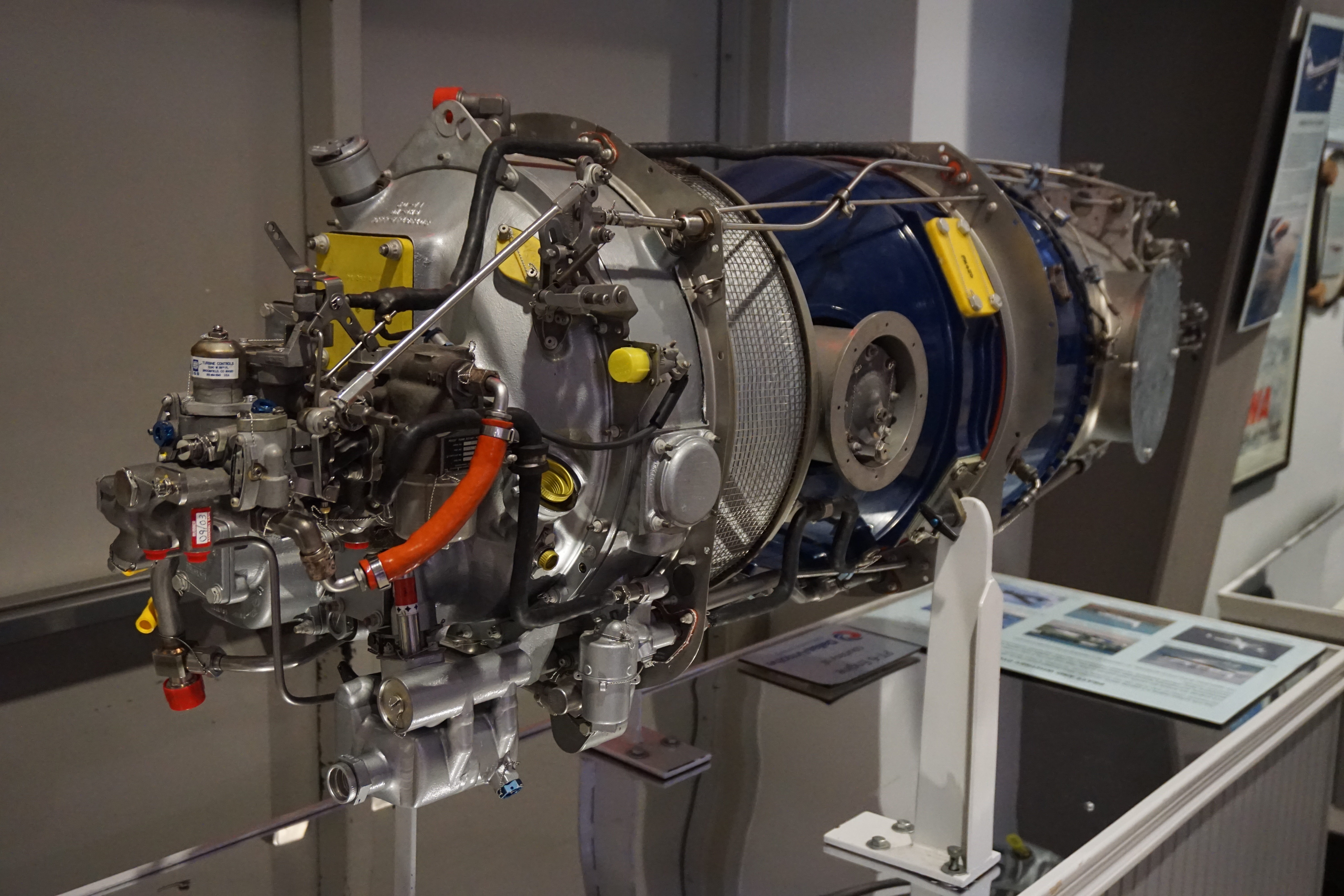
On 9 September, IATA said Pratt & Whitney Canada (P&WC) had removed restrictions that could limit independent suppliers’ access to used parts and related services for PT6 and PW100 engines. IATA attributes the outcome to work by the European Commission’s competition directorate. The change excludes commercial jet engines and approved alternative parts or repairs.
Access to repairs and parts shapes the aftermarket for an engine throughout its service life. P&WC says it has more than 50 owned or designated maintenance facilities. Each has the training and equipment for its assigned models; the network provides line maintenance, repair, overhaul and parts exchange.
The case follows a series of IATA initiatives supporting competition. Announced in 2018, its agreement with CFM International gave third-party repairers access to engine manuals even when using non-CFM parts, permitted alternatives for licensees and protected certain warranties. A 2021 statement with Rolls-Royce set out principles for non-discriminatory access and acceptance of regulator-approved solutions.
CFM’s agreement, renewed in January 2026 through February 2033, remains separate from P&WC contracts. It applies to CFM’s commercial engines and shows that aftermarket access terms are negotiated manufacturer by manufacturer. Airlines, repair shops and independent suppliers are affected; airworthiness approvals continue to determine which parts and repairs may be used.
Supply-chain pressures cost airlines more than $11 billion in 2025, according to IATA, including $3.1 billion in maintenance and $2.6 billion in additional engine leasing. In that industry context, broader access to used parts gives airlines and their repair shops more sourcing options.