
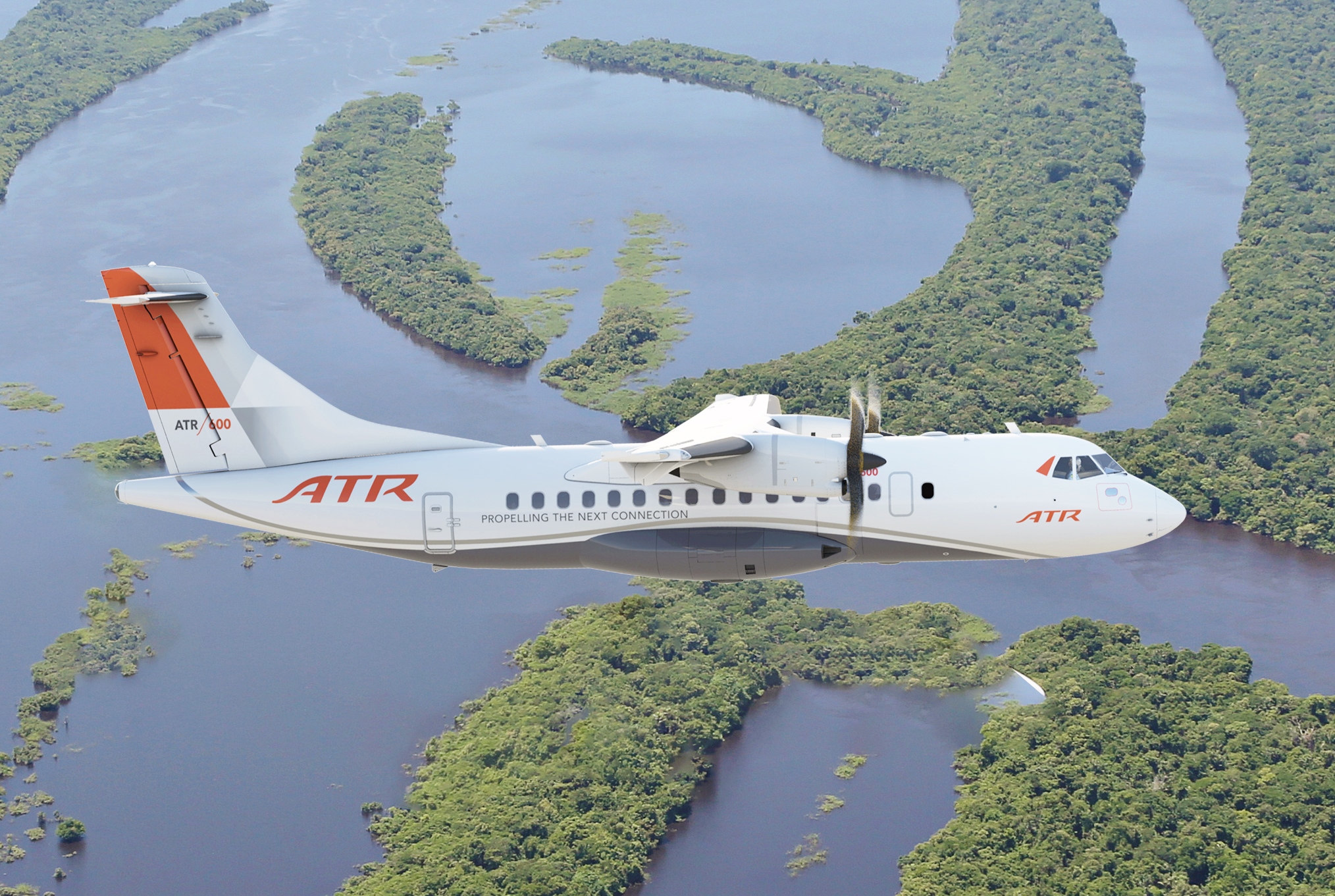
ATR delivered PNG Air the first of three ATR 42-600s ordered in late 2024. Announced on 2 June, the turboprop joins the Papua New Guinea carrier’s fleet renewal. ATR projects growth from five to sixteen aircraft of its family over the following year, with DHC Q100s retired.
The ATR 42-600 is designed for regional routes with thinner demand. ATR lists 48 seats in its standard cabin and a 1,107-metre take-off distance at maximum weight in standard conditions. Its smaller cabin can support frequency on routes where a larger aircraft would have more seats to fill.
ATR lists up to 78 seats for the 72, giving PNG Air a different capacity for busier routes. Two sizes within one family address uneven domestic markets: serving an isolated community and moving a larger flow between major centres do not require the same number of seats.
That combination also affects operations. ATR says its 42 and 72 series share about 90% of spare parts, as well as common systems, engines and flight decks. For an airline expanding its fleet quickly, that can limit the range of stock and training it must manage.
The support relationship predates the ATR 42 order. ATR and PNG Air had signed a twelve-year maintenance agreement for the ATR 72-600 covering components, propellers and landing gear, with stock in Port Moresby and a regional pool in Singapore. That infrastructure gives the renewal context: acquiring more aircraft also requires parts and technical support to remain accessible far from the manufacturer’s workshops.