
Safran Landing Systems inaugurated a 7,500-square-metre extension to its Singapore maintenance centre on 22 September. The US$22 million investment adds a landing-gear overhaul line. Safran expects nearly 100 additional jobs by 2030, compared with 360 employees at the site today. The extra capacity is aimed at airlines across Asia-Pacific and the Middle East.
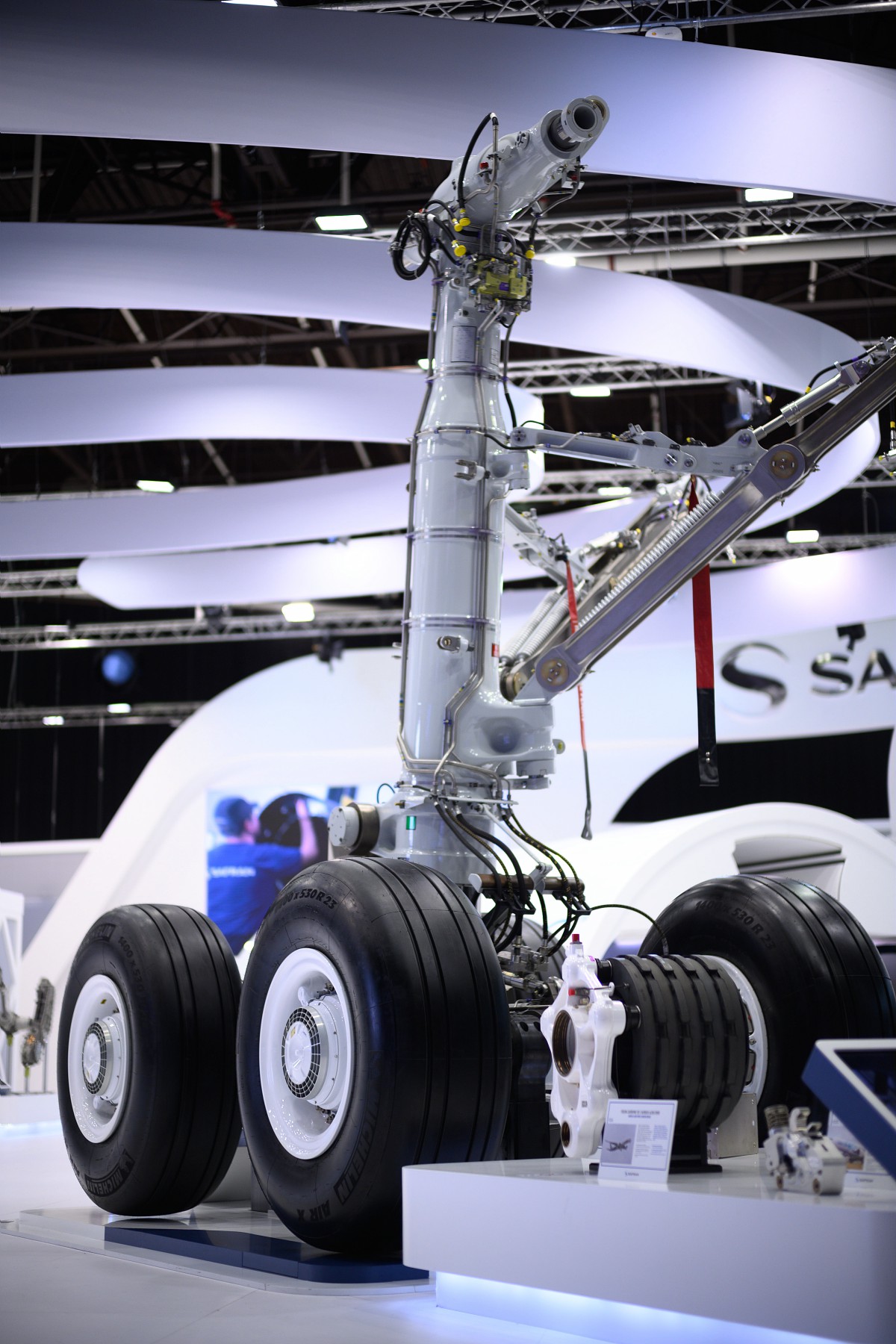
Landing gear carries an aircraft’s loads on the ground and undergoes disassembly, inspection, repair and reassembly during overhaul. At Singapore, Safran brings machining, surface treatment and final certification together. Keeping those steps on one site reduces transfers between workshops and makes equipment and staff availability as important as added floor space. The new line is intended to take on more overhauls for regional and long-haul fleets.
Near Changi Airport, the Loyang Crescent centre offers more than conventional overhaul. Safran lists exchange or lease of landing gear, alongside work on electrical harnesses and hydromechanical systems. Those options give operators ways to keep aircraft available while equipment is in the shop. The added line sits within a service system in which the rotation of parts matters as much as repair capacity.
Safran is expanding a major overhaul network spanning Molsheim, Singapore and Querétaro. In June it said each site had already delivered a first overhauled Boeing 787 landing gear, while further A330 and A350 capability was being developed. Singapore’s investment fits that effort to serve long-haul fleets as scheduled overhauls come due. Work still varies by aircraft programme and the approval held by each workshop.
Singapore is already a major aerospace maintenance hub. In 2025 its Ministry of Trade and Industry put the country’s share at 10% of global maintenance, repair and overhaul output, across more than 130 aerospace companies. That figure covers engines and other equipment too. It places Safran’s investment in a dense local market, but says nothing about its own share of landing-gear overhaul.
Qualified staff will determine the new line’s output. Singapore’s civil aviation authority is preparing more direct paths to aircraft-engineer licensing while retaining safety requirements. Safran plans nearly 100 hires by 2030 and continuing training. For airlines, the result will be measured in turnaround time for overhauled gear sets as incoming work passes through each stage of the process.
Documents and references
- SafranSafran inaugurates new industrial capabilities at its Singapore MRO site
- SafranSafran Landing Systems MRO network
- SafranSafran Landing Systems, Singapore MRO site
- SafranBoeing 787, Airbus A350 & A330: Safran Landing Systems expands global MRO capabilities
- Singapore Ministry of Trade and IndustrySpeech by MOS Alvin Tan at the opening of ITE-ST Engineering Onboarding@SKILL facility
- Civil Aviation Authority of SingaporeCAAS to Launch Three Sector-Wide Manpower Initiatives to Grow and Develop the Aviation Workforce