
CLPS 2 sets a shared $10 billion ceiling over ten years. The CLPS 1 ceiling rises from $2.6 billion to $4.2 billion.
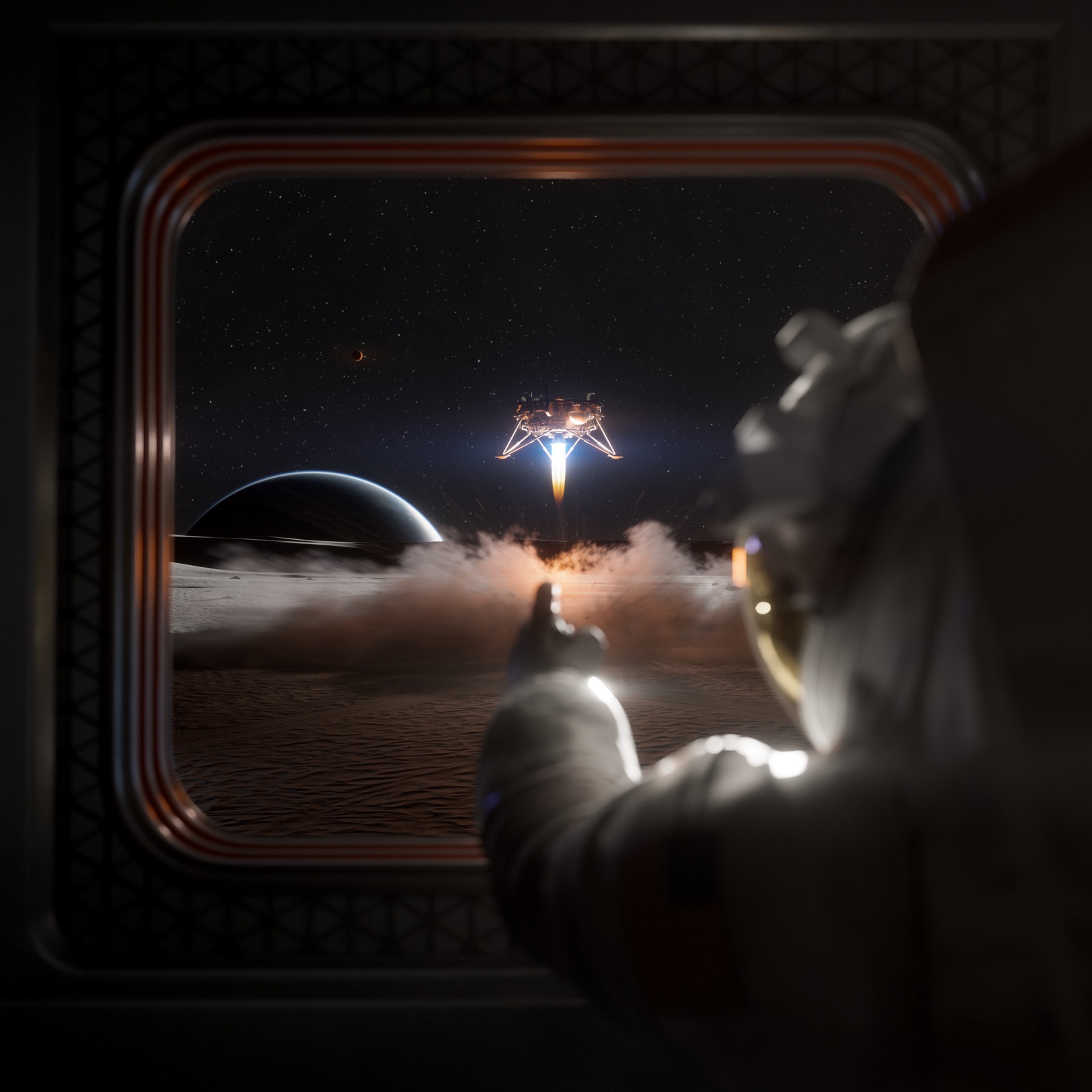
Through CLPS, NASA buys commercial payload delivery services. A provider integrates the instruments, arranges transport and, for a surface mission, lands them on the Moon. It owns its lander and can sell spare capacity to other customers. For companies selected for the new framework, the next step is to compete for individual missions.
Firefly Aerospace is among the eligible suppliers. Its first Blue Ghost completed its surface mission in March 2025. The company is now adapting the lander to carry heavier cargo. The new framework lets NASA compare suppliers offering different vehicles and payload capacities.
Blue Origin will deliver PROMISE for $94 million with a $140 million option. Six VADR orders total about $1.3 billion.
VADR is the framework for buying dedicated or shared launches. NASA uses it for science and technology missions that can accept more risk. The contract gives providers more latitude in organising the launch.
PROMISE is a six-wheeled science vehicle that the Jet Propulsion Laboratory is building from hardware developed for the Curiosity and Perseverance Mars rovers. A radioisotope generator will power it during its south pole mission. Launch is targeted for late 2028. By studying the ground, subsurface and local resources, it is meant to gather data for planning an outpost.
One of the two Impulse Space orders shows how the journey can be split. Relativity Space is to launch Terran R carrying Impulse’s vehicles. The Helios transfer stage will then take over. A lander is to deploy NASA payloads into their target cislunar orbits and then fly a descent profile to test an approach to delivering larger cargo.
The programme is also preparing to fly VIPER, another rover designed to look for ice at the south pole. NASA plans for it to arrive in late 2027 aboard a Blue Moon MK1. VIPER is to map frozen materials and how accessible they are. PROMISE gives the agency another surface campaign to study places that could eventually host equipment and crews.
Documents and references
- NASAAnnonce au Kennedy Space Center
- Firefly AerospaceSélection pour CLPS 2
- NASADossier de la mission PROMISE
- NASAFonctionnement des services lunaires
- Impulse SpaceDeux commandes VADR
- NASAObjectifs par phase
- NASAVADR launch services