
Backlog reached $3.57 billion at the end of September. Q3 operations generated $7.2 million in cash. Rocket Lab reported revenue of $268 million and expects $270 million to $290 million in the fourth quarter.
Billing, cash collection and revenue can fall in different periods on Rocket Lab’s contracts. The group generally bills at agreed milestones. A customer may pay upfront, with the group recognising the revenue later as it performs the work.
Operating cash flow comes before capital spending. Over nine months, operations used $127.3 million and purchases of property, equipment and software took another $84.2 million. The positive quarter followed a first half in which operations used cash.
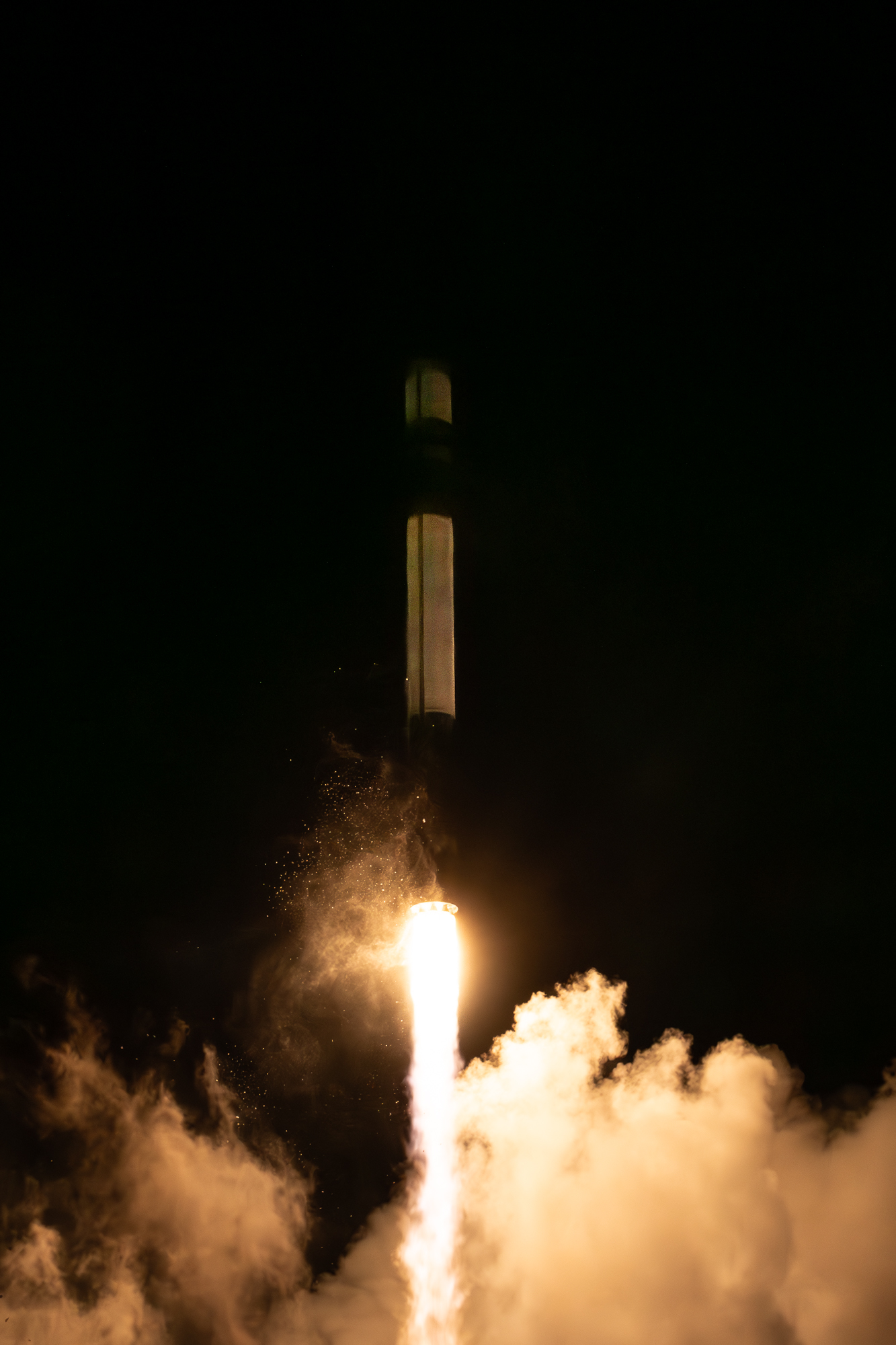
Rocket Lab already sells flights on Electron, a rocket designed for small satellites. A customer can buy a dedicated flight to control its schedule and choose its orbit, or share the launch with other payloads. A deployment stage inserts satellites into their intended orbits. For operators, the choice is about destination and timing as much as the available space on board.
Neutron is intended to open a market for heavier payloads. In its 14 October update, Rocket Lab said it now expected the medium-lift rocket’s first flight in 2027. For operators booking before that first flight, the pace of manufacturing and testing will shape when launch contracts can turn into completed missions.
Rocket Lab also sells spacecraft that travel on after separating from a launch vehicle. For NASA’s ESCAPADE mission it built two probes. After launching in November 2025, they waited for the right alignment before departing for Mars in November 2026. Here the company’s factory builds the vehicle that will carry out the science mission itself.
Documents and references
- Rocket LabRésultats et prévisions trimestrielles
- Rocket LabFormulaire 10-Q de septembre
- Rocket LabFiche du lanceur Electron
- Rocket LabCalendrier du premier vol de Neutron
- Rocket LabVéhicules de la mission ESCAPADE