
Avio reported €409.7 million in nine-month sales. Vega C production, Ariane 6 deliveries and defence propulsion drove the increase.
Reported EBITDA climbed from €15.2 million to €17.9 million over the same period. The backlog stood at €1.993 billion at the end of September, down 8% from December. Avio’s presentation shows that space accounted for the decline, while the defence propulsion backlog grew.
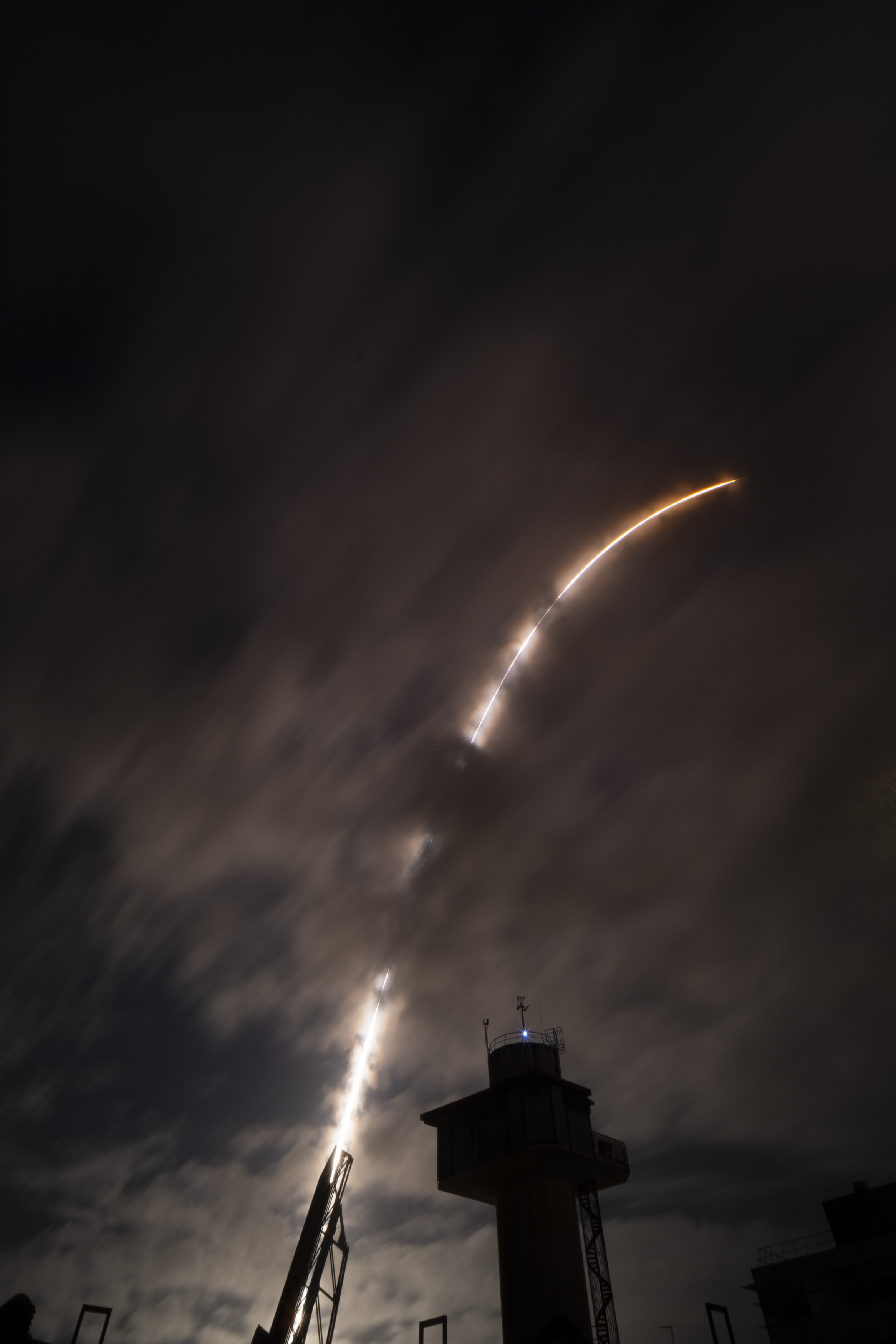
Vega C takes small scientific and Earth observation satellites into orbit. In September, flight VV30 carried Sentinel-3C, which monitors oceans and ice among other targets, and FLEX, which is designed to detect faint fluorescence from vegetation from space. It was Vega C’s first dual-satellite launch.
Avio also supplies parts for the heavy Ariane 6 launcher. Its 2025 agreement with ArianeGroup, worth over €200 million to Avio, covers component production through 2029. Their joint venture Europropulsion supplies the P160C solid-propellant motor, which first flew on Ariane 6 in June and is intended for future Vega variants.
European customers also have access to shared flights outside Europe. In October, the final Eaglet II spacecraft for Italy’s IRIDE Earth observation constellation flew on a Falcon 9 rideshare from California. Such flights group multiple small satellites on a single launch.
Separately from sales, Advent invested €109.4 million on 24 September by subscribing for newly issued shares, giving it around 6.54% after the deal. Days later, Avio’s US subsidiary marked the formal start of construction on its Virginia plant, which will make solid-propellant motors for commercial space and defence.
The net financial position reached €614.5 million at the end of September, up €22.8 million since December. Avio attributes the change to Advent’s investment, partly offset by capital spending and advances passed on to suppliers.