
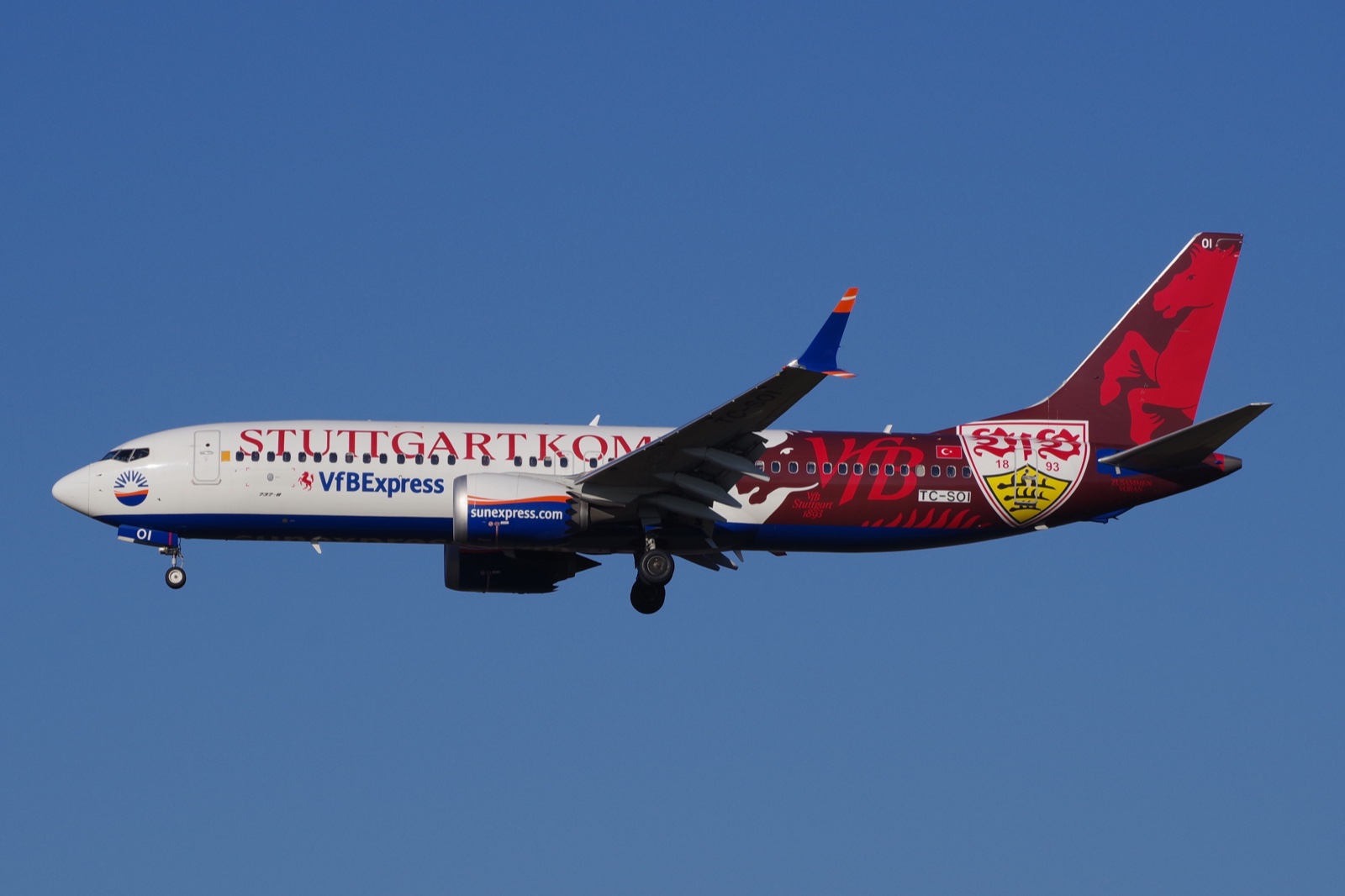
Turkish Airlines and Boeing finalized the carrier’s largest Boeing single-aisle order on 23 September: 100 firm 737-8 jets and 50 options across the 737 MAX family. The 737-8 serves short- and medium-haul routes. Substitution rights for the larger 737-10 allow the airline to adjust capacity.
The airline’s stock-market filing schedules deliveries from 2033 to 2037. Its board decided on the purchase on 18 September; the order was announced five days later, after disclosure had been deferred while the process was concluded. Aircraft arriving years after the signing make this order a long-term commitment to production capacity.
The sequence goes back to September 2025. Turkish Airlines then confirmed 50 long-haul Boeing 787s and took 25 options, but announced only an intention to buy up to 150 737 MAX jets. The new signing makes 100 single-aisle aircraft a firm order. The two families serve different roles in the Istanbul network: regional connections and intercontinental capacity.
The negotiations also concerned operating the aircraft. Reuters reported in September, citing people close to the talks, that a dispute with CFM over engine-maintenance costs delayed the order. According to those sources, the airline wanted a more direct repair role. Those costs and access to workshops matter over the aircraft’s entire service life, beyond its purchase price.
The signing leaves engine support arrangements open. On 23 September, a Turkish Airlines spokesperson told Aviation Week there was still no announcement on that issue and more information would follow. The Boeing aircraft agreement is signed; repair capacity and its economic terms will matter when the jets enter service. Aircraft negotiations also commit a network of support services.
Boeing is not taking the entire fleet renewal. In December 2023 Airbus announced a Turkish Airlines order for 220 aircraft, including 150 A321s and 70 A350s. The A321 is also a single-aisle jet; the A350 serves longer routes. Both manufacturers are involved across segments. These are separate orders placed at different times.
The intended scale explains the staggered purchases. In its 2025 activity report, Turkish Airlines retained targets of more than 800 aircraft and 170 million passengers in 2033, with 90% of its fleet made up of new-generation jets. The newly ordered 737s arrive only from then, extending renewal. The airline must coordinate deliveries, crews, engines and maintenance facilities to turn orders into usable capacity.
Documents and references
- BoeingBoeing and Turkish Airlines Finalize Order for up to 150 737 MAX Jets
- Turkish Airlines / KAPMaterial Event Disclosure: Aircraft Orders under the Strategic Plan
- BoeingTurkish Airlines Orders up to 75 Boeing 787 Dreamliners, Commits to More 737 MAX Jets
- ReutersBoeing set to salvage delayed Turkish Airlines order, sources say
- Aviation WeekTurkish Airlines Orders 150 737 MAX Aircraft, Engine Details Pending
- AirbusTurkish Airlines to order an additional 220 Airbus aircraft
- Turkish Airlines / KAPBoard Activity Report 2025, Strategic Targets