
On November 12, BAE raised its 2026 free cash flow forecast from over £2 billion to around £3 billion. Advances received helped lift the forecast. Sales growth of 8% to 10% and underlying EBIT growth of 10% to 12% remain the targets, at constant exchange rates. BAE linked weak maritime margins to the first Type 26 frigates.
First-half free cash flow was £1.79 billion, against a £368 million outflow a year earlier. BAE received £1.6 billion in net customer advances, including its share of MBDA. Net operating cash flow under IFRS was £2.24 billion.
At June 30, BAE’s own backlog measure stood at £84 billion, against £62.7 billion under its IFRS-derived measure. The broader figure includes BAE’s share of equity-accounted companies and orders still awaiting funding. First-half IFRS revenue was £14.62 billion.
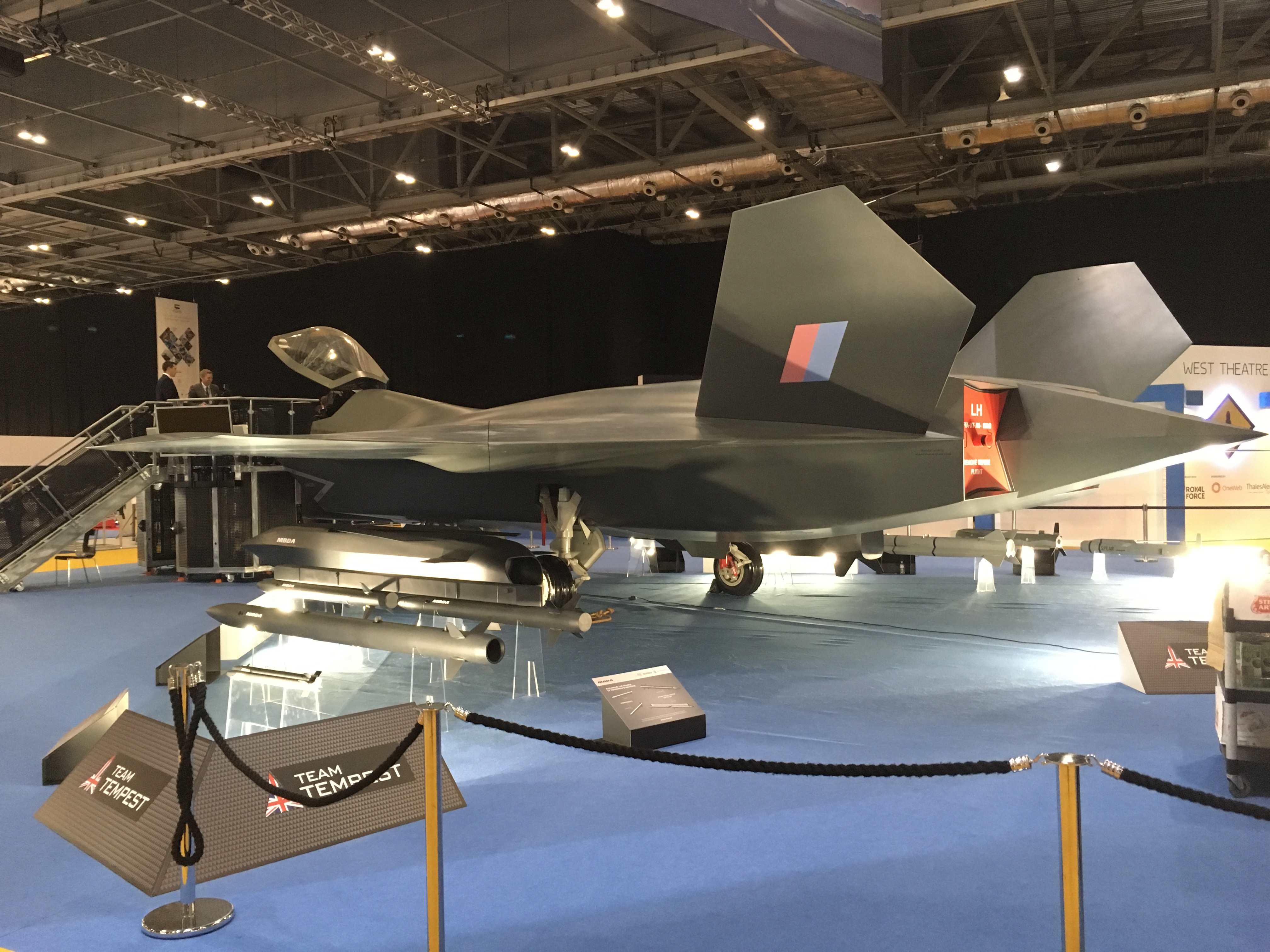
In aerospace, the £4.6 billion awarded to Edgewing in July funds the next stage of the Global Combat Air Programme, a partnership between the UK, Italy and Japan. It follows an initial £686 million contract in April. The new award covers the final stages of concept assessment and takes the aircraft into detailed design.
The Clyde shipyards are carrying out another multi-year commitment, building eight Type 26 frigates for the Royal Navy. BAE cut the first steel for HMS Sheffield, the fifth ship in the class, at Govan in November 2024. Production draws on facilities on the Clyde and a supply chain spread across the United Kingdom.
At Barrow, the fourth phase of the Dreadnought submarine programme covers work through the lead boat’s sea trials and certification. In September, the UK Ministry of Defence said £5.9 billion of the £8.4 billion allocated to this phase had been committed to BAE under a July contract. Further awards are due to go to the wider supply chain.
In 2025, the group generated £2.16 billion in free cash flow, down from £2.51 billion in 2024, even with sizeable payments arriving towards year-end. Capital expenditure was around £1 billion in 2025.
Documents and references
- BAE SystemsPoint de marché du 12 novembre
- BAE SystemsRapport semestriel 2026
- EdgewingContrats attribués à Edgewing en avril et juillet
- BAE SystemsDébut de construction du HMS Sheffield
- UK Parliament / Ministry of DefenceRéponse parlementaire sur la quatrième phase de Dreadnought
- BAE SystemsRésultats de l’exercice 2025