
On 27 August, Isar Aerospace and the European Space Agency signed the company’s first European Launcher Challenge contract. ESA values it at €197.8 million; Isar describes approximately €200 million in programme commitments. The rounded figures do not change the status: this is a development-support contract, not a lump-sum payment to the company.
ESA unlocks funding by milestones and requires an orbital demonstration before 2028. It also signed with RFA for €186.9 million and PLD Space for €158.9 million; MaiaSpace remained in negotiation.
ESA wants to broaden European launch services for institutional and commercial customers. Its framework combines service contracts with capacity-upgrade demonstrations, requiring at least 40% private co-funding for the latter. After a successful first orbital flight, ESA also plans contributions to operational launches until 2030 at the latest. The mechanism is intended to support a production and service ramp-up beyond a single prototype.
In 2025 ESA shortlisted five companies: Isar, MaiaSpace, Orbital Express Launch, PLD Space and Rocket Factory Augsburg. The second tender stage was restricted to them; shortlisting did not itself award a contract.
The original scheme combined launch services bought between 2026 and 2030 with a demonstration of upgraded capacity. ESA’s 2025 target was €169 million per challenger, not the final value of later contracts.
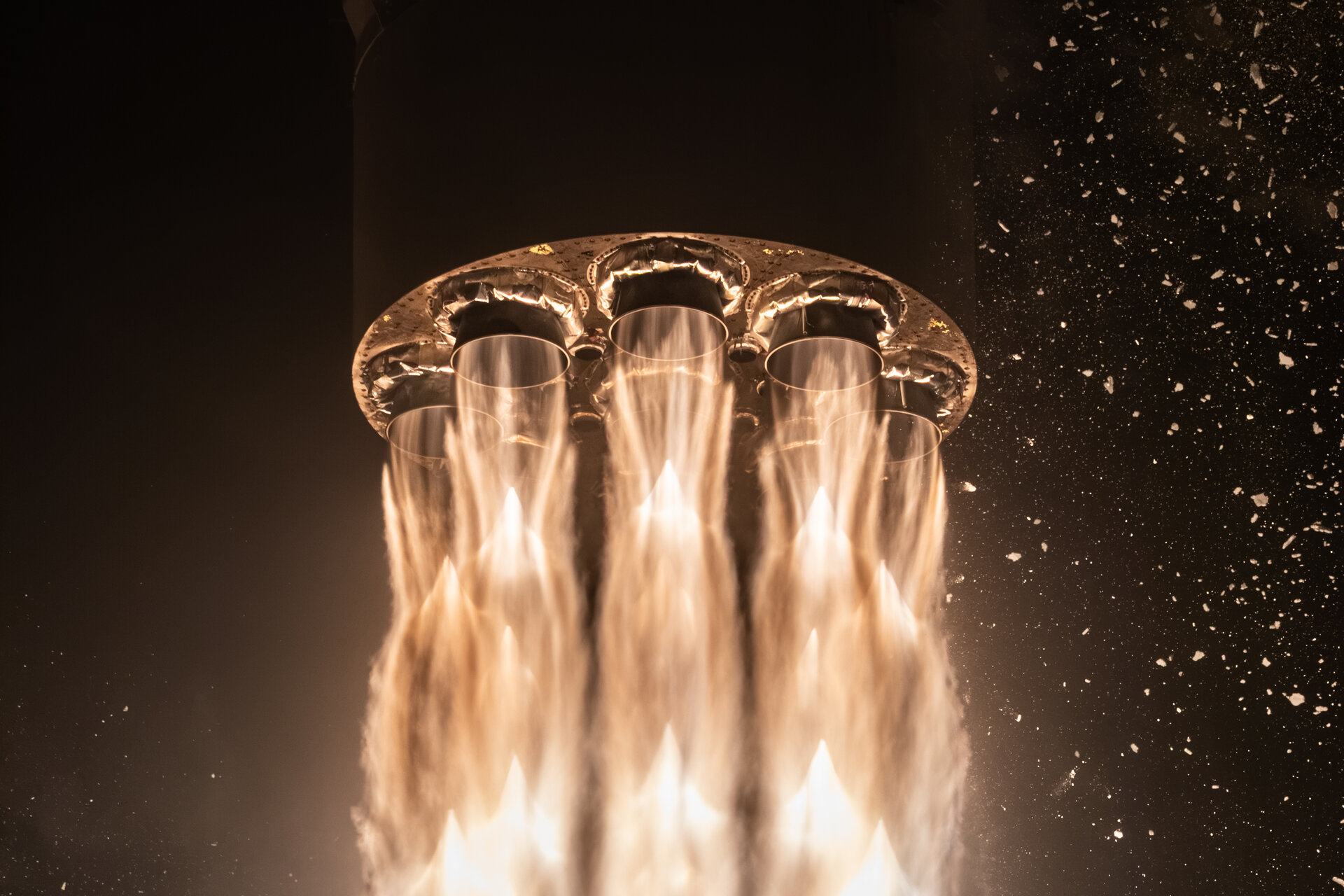
On 5 September, Spectrum reached orbit on its second flight, Space.com reported. After circularising its trajectory, it deployed five CubeSats; a non-deployable experiment was also aboard. The launch from Andøya, Norway, carried Spectrum’s first viable payloads; its first flight in 2025 had ended in less than a minute. September’s mission marked a new stage for the launcher, which must now show it can repeat that performance for regular customers.
Documents and references
- Isar AerospaceIsar Aerospace signs contract with ESA under the European Launcher Challenge
- ESAEuropean Launcher Challenge
- ESAEuropean Launcher Challenge: preselected challengers unveiled
- Space.comPrivate German rocket makes history, reaches orbit from European soil
- ESAFirst contracts kick off European Launcher Challenge