
ISRO confirms LVM3-M5’s C25, passivated after placing CMS-03 in geostationary transfer orbit in November 2025, re-entered on 30 July 2026.
IS4OM and Sriharikota radar tracked the decay. ISRO estimated re-entry around 12:08 UTC and a probable Atlantic impact; these were forecasts, not a confirmed splashdown point.
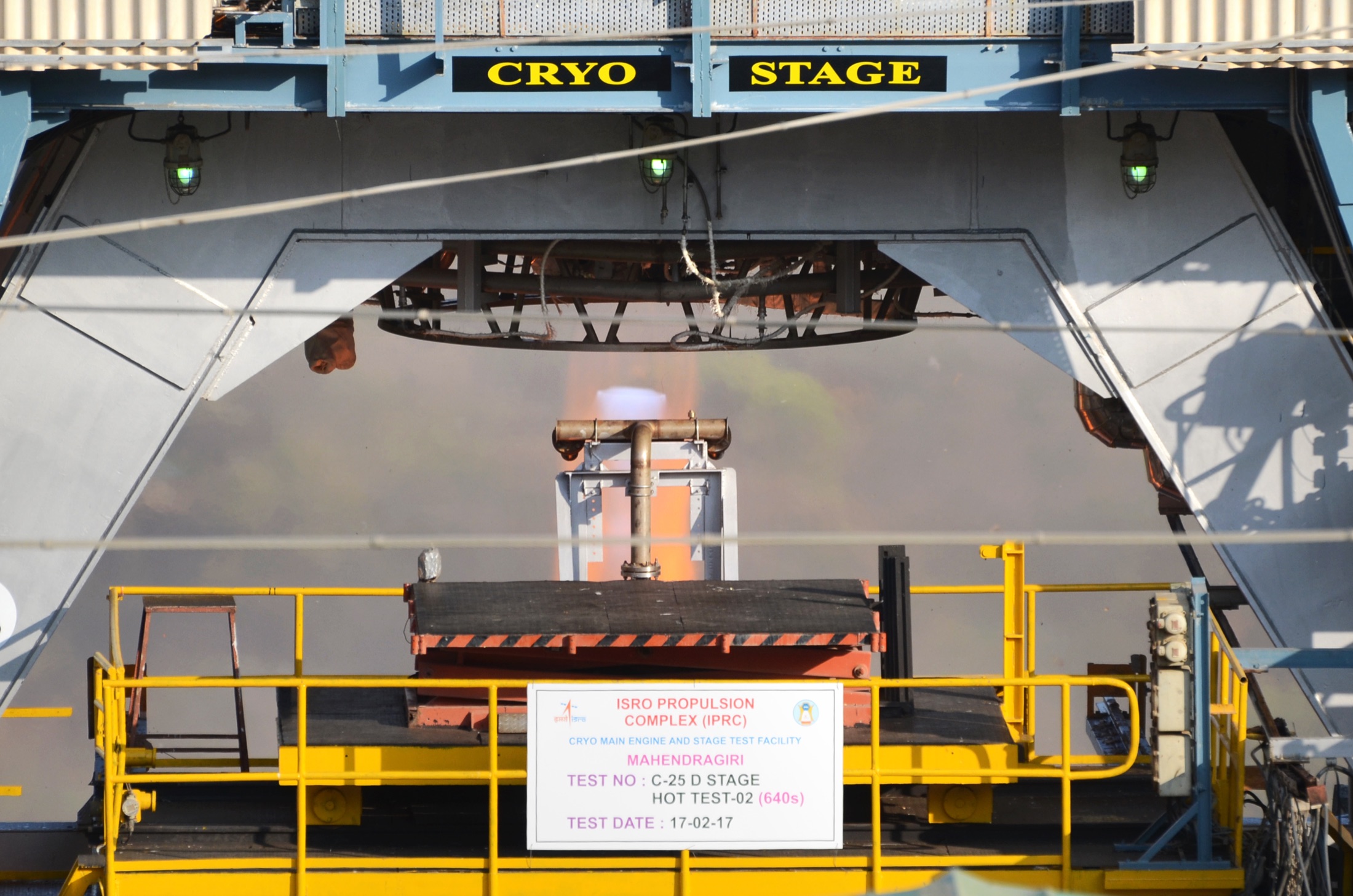
C25 finishes an LVM3 launcher built around two S200 solid boosters and an L110 liquid core. Its cryogenic CE-20 engine burns liquid oxygen and hydrogen; ISRO lists nominal thrust of 200 kN and about 28 tonnes of propellant. This final propulsion places the payload in transfer orbit before stage and satellite separate.
India’s Debris Free Space Missions policy aims to keep rocket bodies and satellites in orbit for less than five years after a mission, through controlled re-entry or lowering to a shorter-lived orbit. ISRO says the five-year benchmark applies to stages that pass through the heavily crowded low-Earth region. Orbit and disposal choices therefore enter launch planning from the design stage. ISRO also says C25 meets the IADC’s 25-year recommendation for objects ending missions in low Earth orbit.
ISRO’s space-situational-awareness report places this tracking in a wider task: maintaining object positions, assessing trajectories and predicting re-entries helps manage risks to active satellites. A re-entry forecast checked against ground tracking also feeds back into orbital-decay models as the population of objects in orbit grows. Cataloguing and hazard assessment are part of that monitoring work.