
On 29 July NASA awarded 18 NIAC Phase I grants totalling $3.2 million. Each team may receive up to $175,000 for nine months. The agency chooses ideas that could substantially change how space is explored or observed, then funds study of their main technical obstacles.
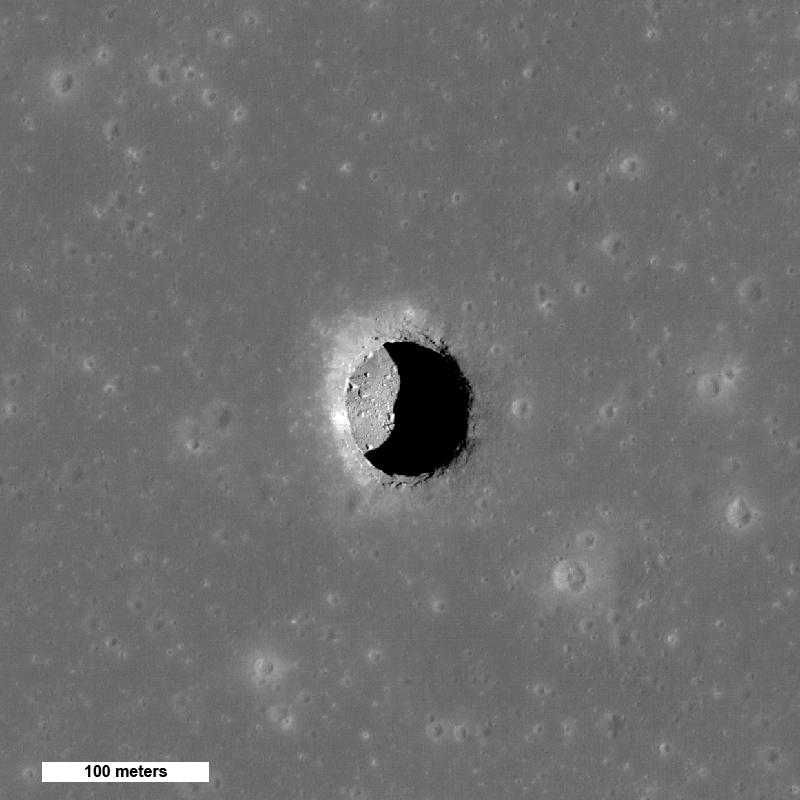
LUX, proposed by Gilly Elor at Stone Aerospace, envisions a robot descending into a lunar pit and moving through a tunnel. A surface lander or rover would send laser power through a fibre unspooled behind the robot; the link would also carry data out. In darkness and behind rock walls, the fibre addresses power and communications problems that solar panels and a direct radio link would struggle to solve. The study will examine laser-heated gas propulsion.
At a very different scale, Northwestern University’s Michael Rubenstein proposes roughly 10,000 steerable femtosatellites near Saturn. Spread out, the tiny probes could map ring composition, the atmosphere and the magnetic field. Dust and debris make close ring surveys hazardous for a single large spacecraft; a swarm could lose some members while retaining a distributed measurement system.
The 2026 NIAC list also includes stackable solar sails, an instrument to observe light around black holes and planetary resource surveys. NASA laboratories, universities and companies all appear among the awardees.
Teams completing Phase I can propose a follow-on Phase II, which may develop a concept for up to two years. That stage requires a roadmap for further work; it does not yet bring the technology to the level needed for NASA or commercial adoption. For July’s awardees, the immediate task is to produce technical results that can guide any further study.