
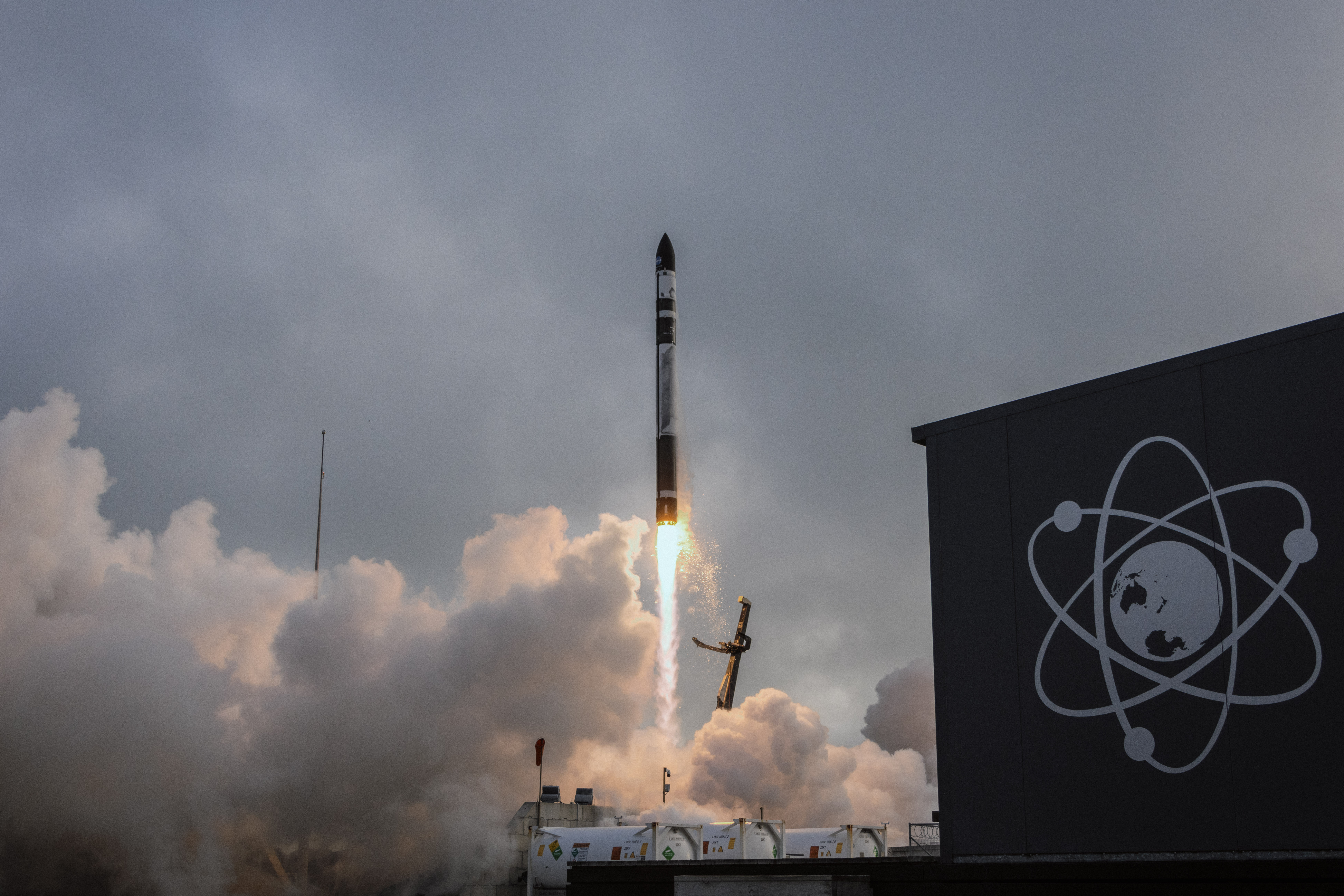
Rocket Lab launched SUSANOO-II on 20 August at 13:04 UTC from New Zealand, or 1:04 a.m. on 21 August locally. The QPS-SAR satellite entered low Earth orbit at 575 kilometres; it was iQPS’s ninth deployment.
QPS-SAR is a compact radar satellite, about 100 kilograms according to iQPS, with a deployable 3.6-metre antenna. It transmits radio waves and measures their return; processing reconstructs an image of the surface. Unlike an optical sensor, SAR can observe at night and through clouds, giving operators an imagery source less dependent on daylight and weather.
iQPS frames its constellation as a revisit service: its stated goal is to observe almost anywhere on Earth at an average interval of ten minutes, with 24 satellites targeted by May 2028 and further additions through 2030. This is a future fleet coverage target, not a cadence guaranteed today by the satellite just launched.
The commercial model combines access to archived imagery with orders for new observations through a console and programming interface. Users can search past acquisitions, choose an area to image and retrieve ordered data. iQPS also publishes the available modes: wider coverage in Stripmap and a more detailed scene in Spotlight. Mode selection depends on the area to cover and the detail required.
This was Electron’s 93rd mission and its ninth for iQPS. Rocket Lab says nine more dedicated flights remain booked to deploy the constellation by 2030. Those bookings show how the operator intends to grow the fleet. Achieving the targeted revisit interval will depend on launches, satellite insertion and operation after commissioning.
Documents and references
- Rocket LabThe Lightning God Defends
- iQPSQPS-SAR Project
- iQPSEnglish
- iQPSProduct
- Rocket LabMISSION SUCCESS: Rocket Lab Launches 93rd Electron Mission