
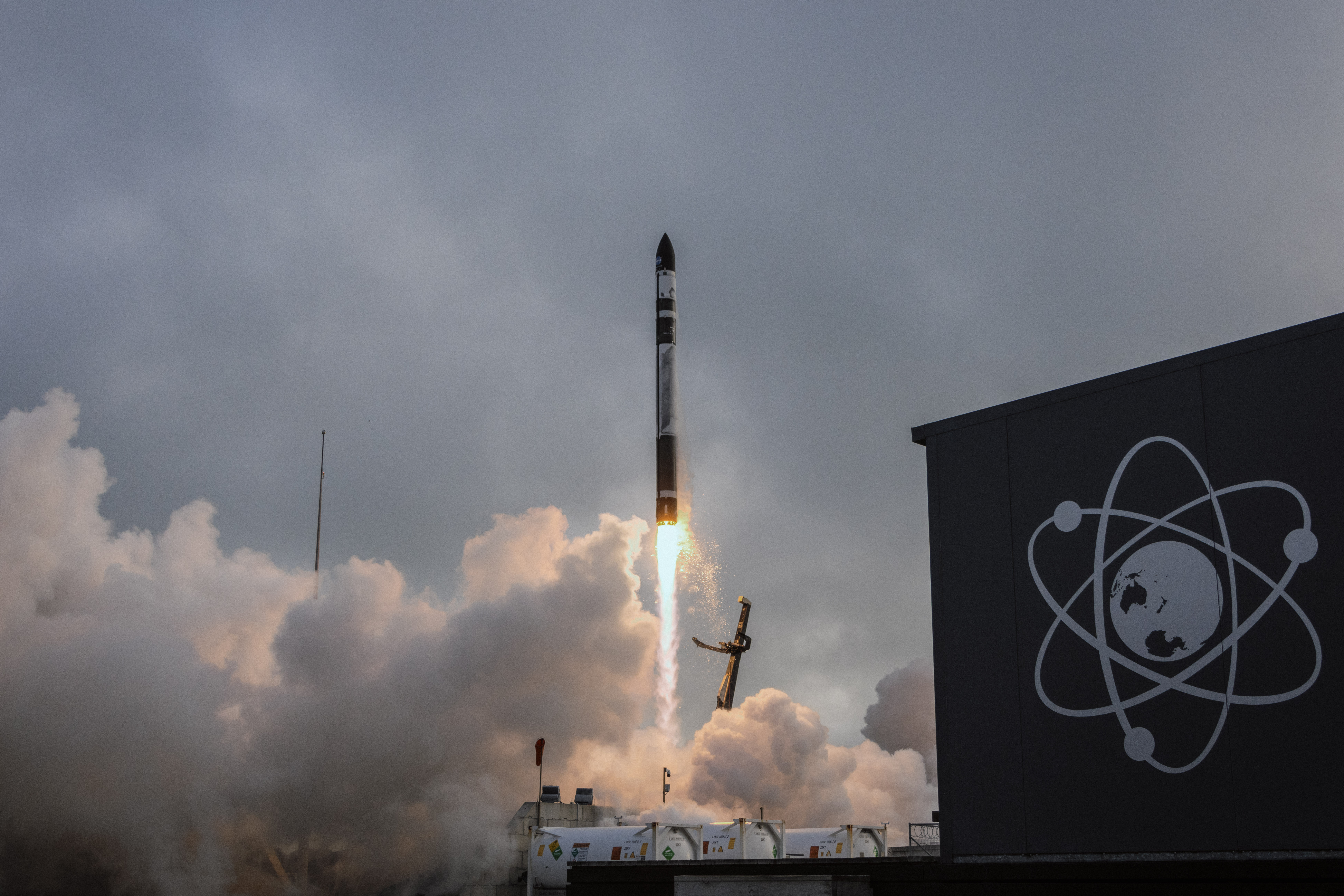
An Electron rocket lifted off from Māhia at 3:22 p.m. New Zealand time on 19 September for the “Owl By The Dozen” mission. Rocket Lab reports placing Synspective’s twelfth StriX satellite in a 572-kilometre orbit. This was Electron’s 96th flight and its 17th launch of 2026; those counts describe the rocket, not the satellite.
Synspective confirms that the satellite reached its target orbit and plans several months of testing and commissioning. The added commercial capacity will depend on the qualified imagery the spacecraft can then supply to users.
The company aims for a 30-satellite radar constellation before the decade ends. Its model depends on repeat visits and a mix of orbits to make scenes useful for tracking floods, construction or ground movement. The launch count is only one part of the service: orbit geometry, image resolution and the time needed to deliver data also shape its value.
Defence agencies are also potential customers. A February service contract places Synspective in Japan’s defence ministry constellation project, led by Tri-Sat with Mitsubishi Electric and other partners. It covers radar imagery acquisition and provides a documented outlet for more imaging capacity.
In March, Rocket Lab described an expanded partnership covering nineteen more dedicated missions after the eighth StriX. Launch procurement therefore forms a long campaign rather than a sequence of ad hoc flights. It gives Synspective visibility over deployment opportunities, while each launch and each on-orbit commissioning campaign remains a separate operational step before imagery can reach customers.
The launch plan is no longer limited to Electron. A day before this flight, Synspective signed with Mitsubishi Heavy Industries to fly two other StriX spacecraft on H3 in 2027. The Japanese option targets a mid-inclination orbit serving populated and disaster-prone regions. StriX 12 therefore sits within a strategy combining more spacecraft with more than one route to orbit.
Documents and references
- Rocket LabMission Success: Rocket Lab Launches 96th Electron Mission
- SynspectiveSynspective’s 12th SAR Satellite Successfully Reaches Target Orbit
- SynspectiveStriX constellation
- SynspectiveSynspective Joins Ministry of Defense Satellite Constellation Project
- Rocket LabMission Success: Rocket Lab Launches Latest Satellite for Synspective
- SynspectiveSynspective Signs Launch Service Agreement with Mitsubishi Heavy Industries