
NASA and its partners published a revised International Space Station flight sequence on May 1. The plan targeted SpaceX cargo mission CRS-34 no earlier than May 12, moved Crew-13 from November to mid-September and set other cargo opportunities for autumn and autumn-winter. These are target windows subject to vehicle readiness and station operations.
Crew rotation and resupply place different demands on station operations. NASA’s ISS operations manual describes the hours needed to receive a visiting vehicle and the unloading and stowage work that can follow for months. Moving a cargo or crew flight therefore changes the resident crew’s daily workload. The May sequence must leave room for maintenance, experiments and crew handovers.
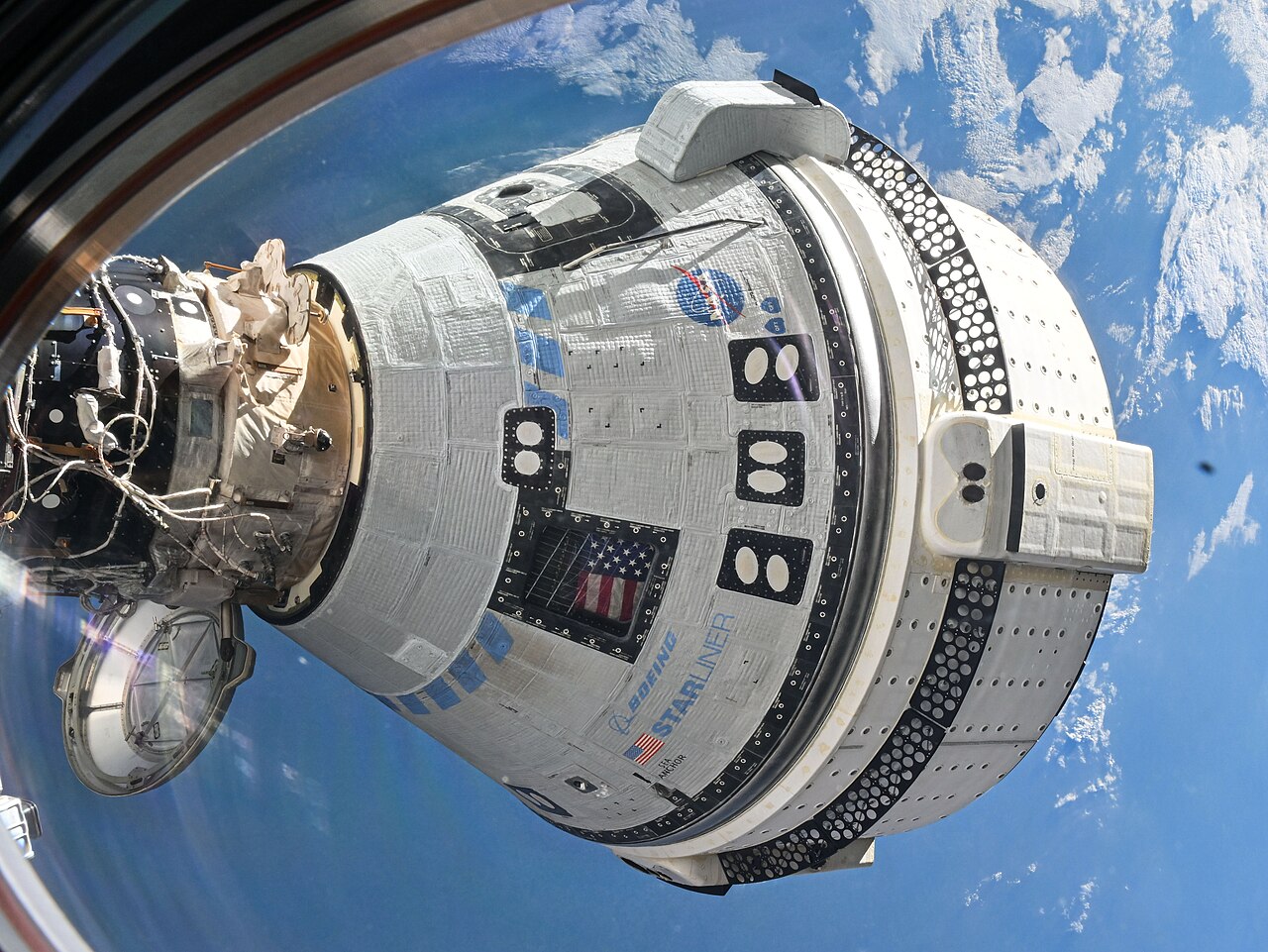
Starliner-1’s change of role predates this schedule. In November 2025, NASA and Boeing turned the next planned astronaut flight into an uncrewed cargo mission. It would carry supplies and test modifications before any later crew rotation. The May 1 announcement left its launch window open while teams continued assessing technical readiness and ISS traffic.
The investigation into the 2024 crewed test explains that caution. Aerospace America reported multiple thruster failures during approach to the ISS and NASA’s eventual decision to return the capsule without its crew. The February 2026 findings also identified qualification and decision-making gaps. Assigning Starliner-1 a window therefore requires verified corrections and coordination with station traffic.
Station power upgrades give cargo flights a further role. In its 2021 account of the iROSA arrays, NASA explained that the eight original solar wings were ageing and that newer roll-out panels would augment their output. The hardware travels in the unpressurised trunk of a Dragon cargo vehicle before astronauts install it during spacewalks. Preparing such a delivery therefore involves storage, robotics and work outside the station. Logistics scheduling shapes when the orbital laboratory can upgrade its infrastructure.
Documents and references
- NASANASA, Partners Update International Space Station 2026 Flight Plan
- NASAThe International Space Station: Operating an Outpost
- Spaceflight NowNASA, Boeing pivot Starliner-1 mission from 4-person astronaut flight to cargo-only
- Aerospace AmericaStarliner investigation points to leadership missteps at NASA, hardware flaws
- NASANew Solar Arrays to Power NASA’s International Space Station Research