
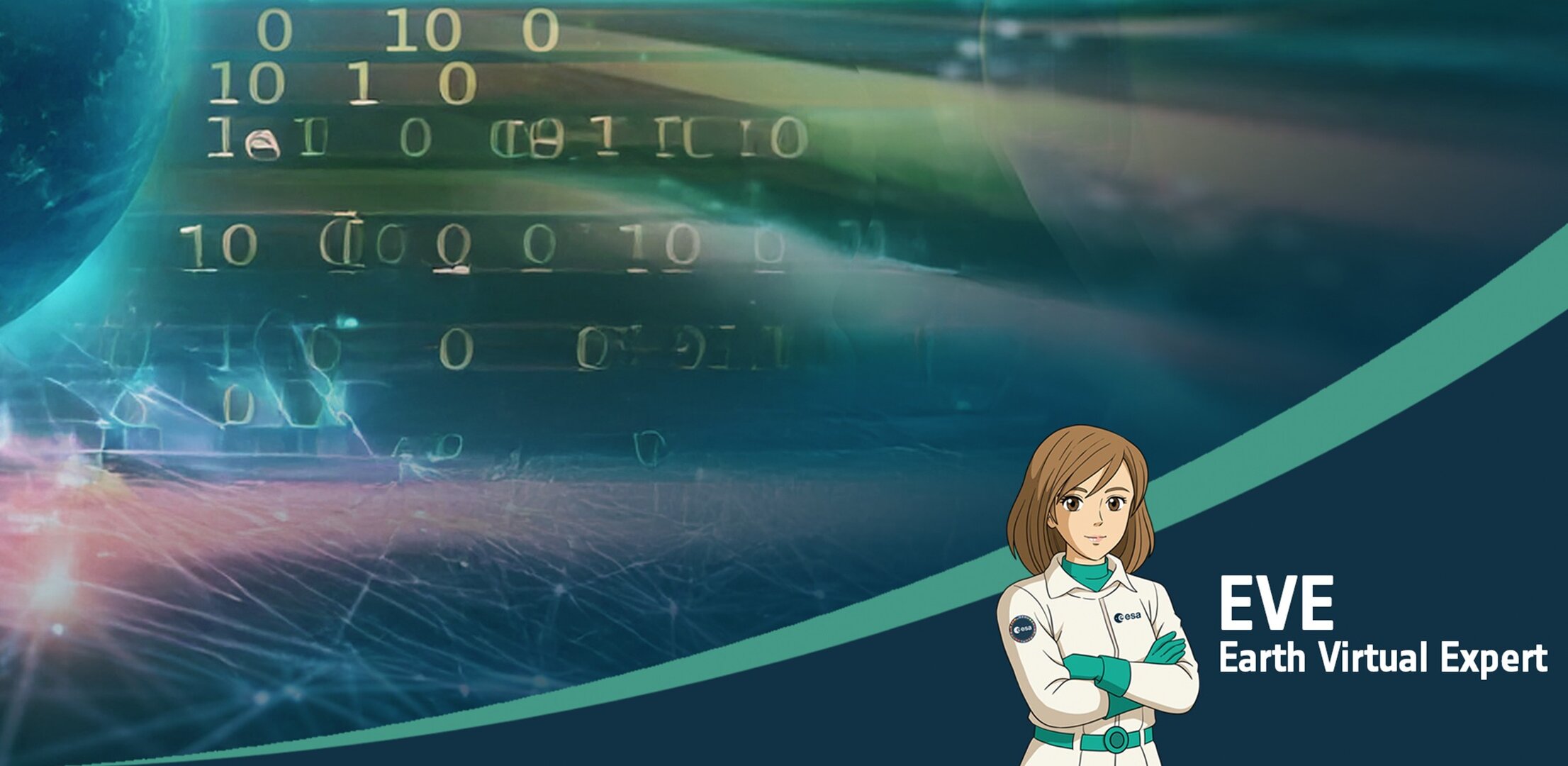
ESA and Mistral signed a letter of intent on 16 September and made it public on the 23rd. They will examine uses for Mistral models and cloud in engineering, Earth observation and training. ESA names two existing initiatives: Orbit, a secure engineering assistant, and EVE, focused on Earth-observation knowledge. The partners will also study European hosting with security and traceability safeguards.
Mission engineering offers one possible application. Teams must compare new requirements with design choices and knowledge gathered in earlier projects. In a 2022–23 activity with RHEA System, ESA studied an assistant that would analyse models and reports, recognise recurring configurations and suggest options to systems engineers. That earlier project illustrates preparatory work document tools could ease; the letter with Mistral does not yet specify which tool would be deployed. Such tools could help teams reuse past lessons and avoid omissions in early design.
Earth observation presents a different problem: scientific information is scattered across papers, portals and formats that specialists themselves must cross-check. EVE, funded by ESA’s Φ-lab and developed by Pi School with Imperative Space and Mistral, is a text assistant specialised in Earth observation and Earth science. Its EVE-Instruct model, derived from Mistral Small 3.2, answers questions and synthesises documents; document retrieval supplies sources for its answers.
EVE lets users query a scientific corpus in everyday language: finding a method, navigating knowledge or synthesising several papers. The platform describes answers linked to source citations. It remains text-based today; its team plans to extend it towards imagery and geospatial data. That progression matters in Earth observation because consulting research and analysing satellite images directly call for different tools.
Prithvi, developed by NASA and IBM using Landsat and Sentinel-2 data, illustrates geospatial processing. NASA lists fire monitoring, flood analysis and crop studies among its applications. Prithvi uses image data, while EVE currently helps people explore the scientific literature around Earth observation. The approaches address different stages of the observation chain, from finding research to analysing data.
Documents and references
- European Space AgencyESA and Mistral strengthen cooperation on artificial intelligence
- European Space Agency, Nebula Public LibraryAI-powered Digital Assistant for space - system engineering
- ESA Φ-labEVE: making Earth observation knowledge accessible to everyone
- ESA Φ-lab, EVE projectEVE – Earth Virtual Expert
- NASA ScienceUpdate on NASA Foundation Model Progress: To the Moon and Beyond