
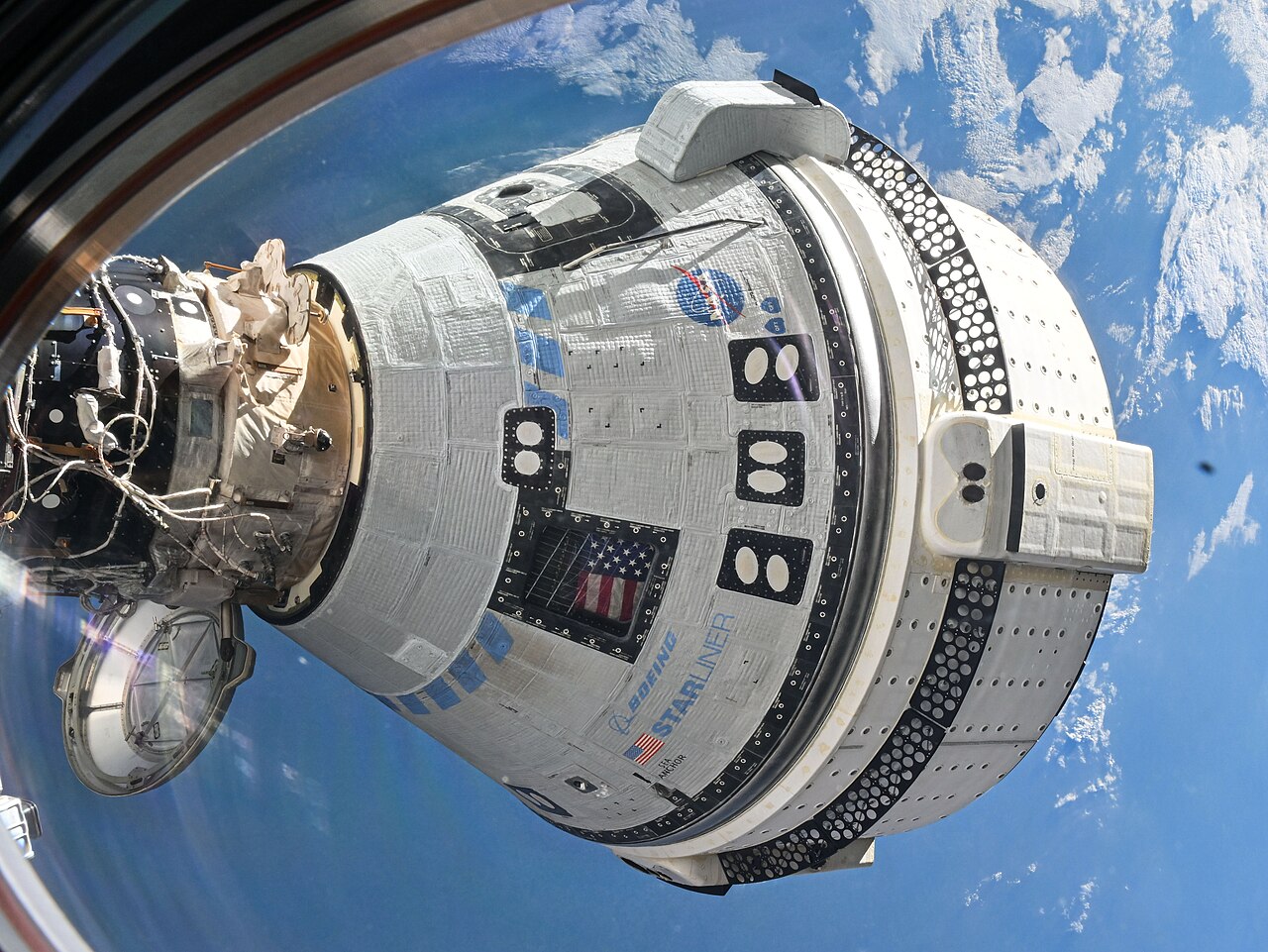
NASA and Boeing set out a new Starliner sequence on 28 September: an uncrewed Starliner-1 flight to the International Space Station as early as December 2026 or January 2027, followed by a targeted crew return on Starliner-2 by 2028. The first mission will test spacecraft fixes in orbit. Neither window is a confirmed launch date.
The central problem dates to the June 2024 crewed test. Thruster anomalies reduced the spacecraft's ability to manoeuvre near the ISS; NASA ultimately brought the capsule home without Butch Wilmore and Suni Williams. The astronauts returned in March 2025 aboard a SpaceX Dragon. NASA's investigation classified the event as a Type A mishap and identified technical as well as decision-making failures.
For Starliner-1, Boeing says hardware and software work is complete while validation continues. NASA will evaluate the service module's thermal changes in flight. For later missions, the partners plan thruster valve redesign, new batteries, replacement crew-module thrusters and a parachute improvement. Some remedies still need demonstration in flight. Boeing also plans to qualify Vulcan after the final Atlas V flights. Starliner-1 will carry cargo while gathering data for a subsequent certification decision.
This step has slipped since the November 2025 contract revision, which envisaged an uncrewed flight no earlier than April 2026. Four missions were firm then, with two more held as options. The latest announcement says NASA intends to exercise those fifth and sixth options. That extends the agency's commitment to Starliner while pushing back the point at which it could perform regular crew rotations.
NASA still wants a second US route to low Earth orbit. Its inspector general noted in June that Dragon had been certified since 2020, while Starliner remained uncertified after three tests with anomalies. The desired redundancy requires more than two capsules on paper: each must meet its own safety requirements and perform a mission. The announced cargo flight should supply data for that decision, rather than constitute approval itself.
The programme's history shows why certification covers the whole system. The 2024 crewed test was meant to validate the launch pad, Atlas V, capsule, orbital operations and return to Earth together. Its difficulties interrupted that path to routine rotations. Starliner-1 must now provide flight data ground tests alone cannot supply; only then can NASA decide on another crewed mission and its launcher.
Documents and references
- NASANASA, Boeing Share Update on Commercial Starliner Development Plans
- NASANASA Releases Report on Starliner Crewed Flight Test Investigation
- BoeingStarliner-1 mission updates: NASA, Boeing update contract and set launch window
- NASANASA, Boeing Modify Commercial Crew Contract
- NASA Office of Inspector GeneralNASA’s Management of Its Commercial Crew Program
- NASANASA’s Boeing Crew Flight Test Mission Overview