
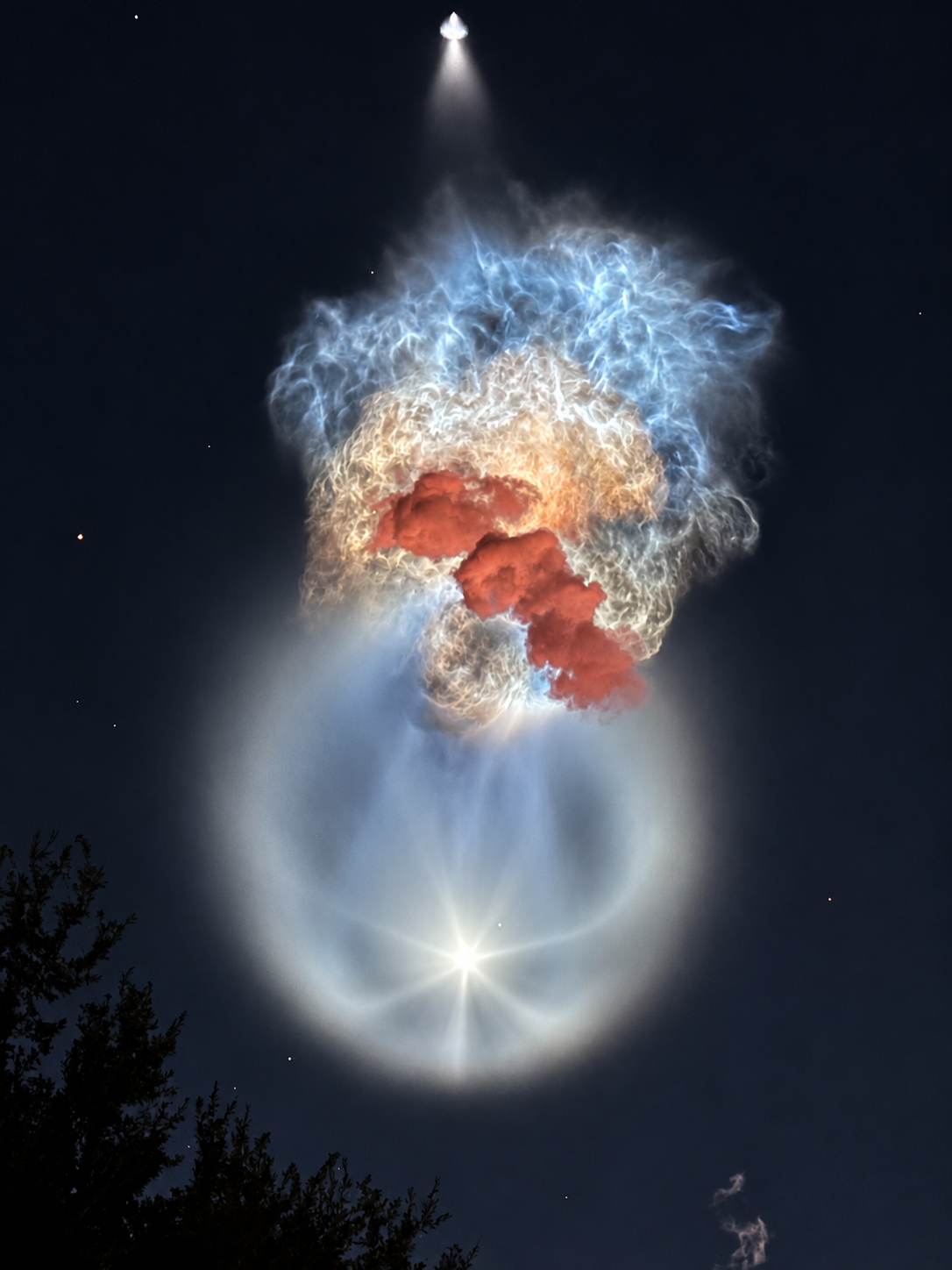
On 13 October PROVES-Maia and PROVES-Taygeta launched with the Dragon cargo vehicle on SpaceX CRS-35. NASA places them in the university-led Pleiades Five programme. They first travel to the International Space Station, which will deploy them later. Radio experiments begin after their release into orbit.
Texas State University describes Maia as its first university-owned and operated satellite. Students built and tested the vehicle, and the team plans to command it from its San Marcos ground station after deployment. A system called MOSAIC will host component tests and a locally developed radiation sensor. The university is moving from contributing software to other spacecraft toward running a mission of its own.
The project uses a shared spacecraft kit instead of five wholly separate designs. Cal Poly Pomona’s Bronco Space Lab says it emphasises open architectures, affordable access to space and digital packet relay for amateur-radio users. Each university can adapt the common foundation to its experiment. Standardisation also supports training: teams work on real subsystems and their interfaces before orbital operations.
Preparing Maia involved integrating avionics, power and payload hardware in a Texas clean room. In March the university team then reported planned vibration testing at NASA’s Johnson Space Center. Those tests reproduce the launch’s mechanical stresses, connecting the kit’s open design with the qualification discipline of a real spacecraft. Students therefore had to validate hardware, assembly and interfaces before the CRS-35 mission.
CRS-35 is primarily a resupply flight: NASA says Falcon 9 launched more than 6,300 pounds of supplies and hardware toward the ISS, of which the satellites form a small part. Dragon also carries experiments and the station’s final pair of new roll-out solar arrays. For Pleiades Five, this shared transport provides access without a dedicated launcher; the science phase will follow the CubeSats’ later release and contact with ground stations.
Documents and references
- NASANASA launches CubeSats to test communications, build experience
- Texas State UniversityTXST’s first-ever satellite launches into space
- Cal Poly PomonaBronco Space Lab: The PROVES Project
- Texas State University Space LabPROVES-Maia completes assembly and heads to NASA for vibration testing
- NASANASA science and cargo launch on 35th SpaceX resupply mission